Congratulations 2025-206 College of the Environment Scholarship Awardees!

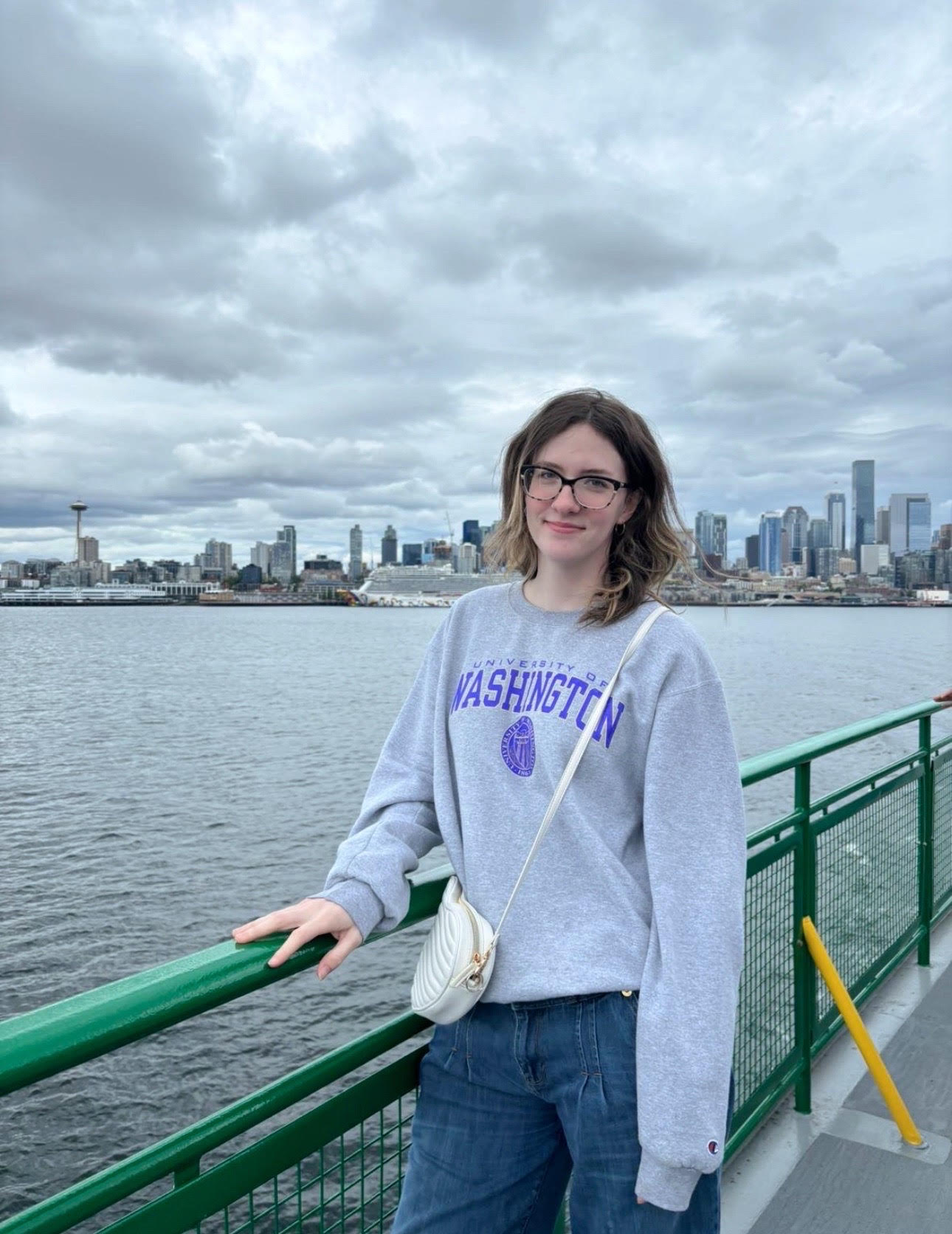
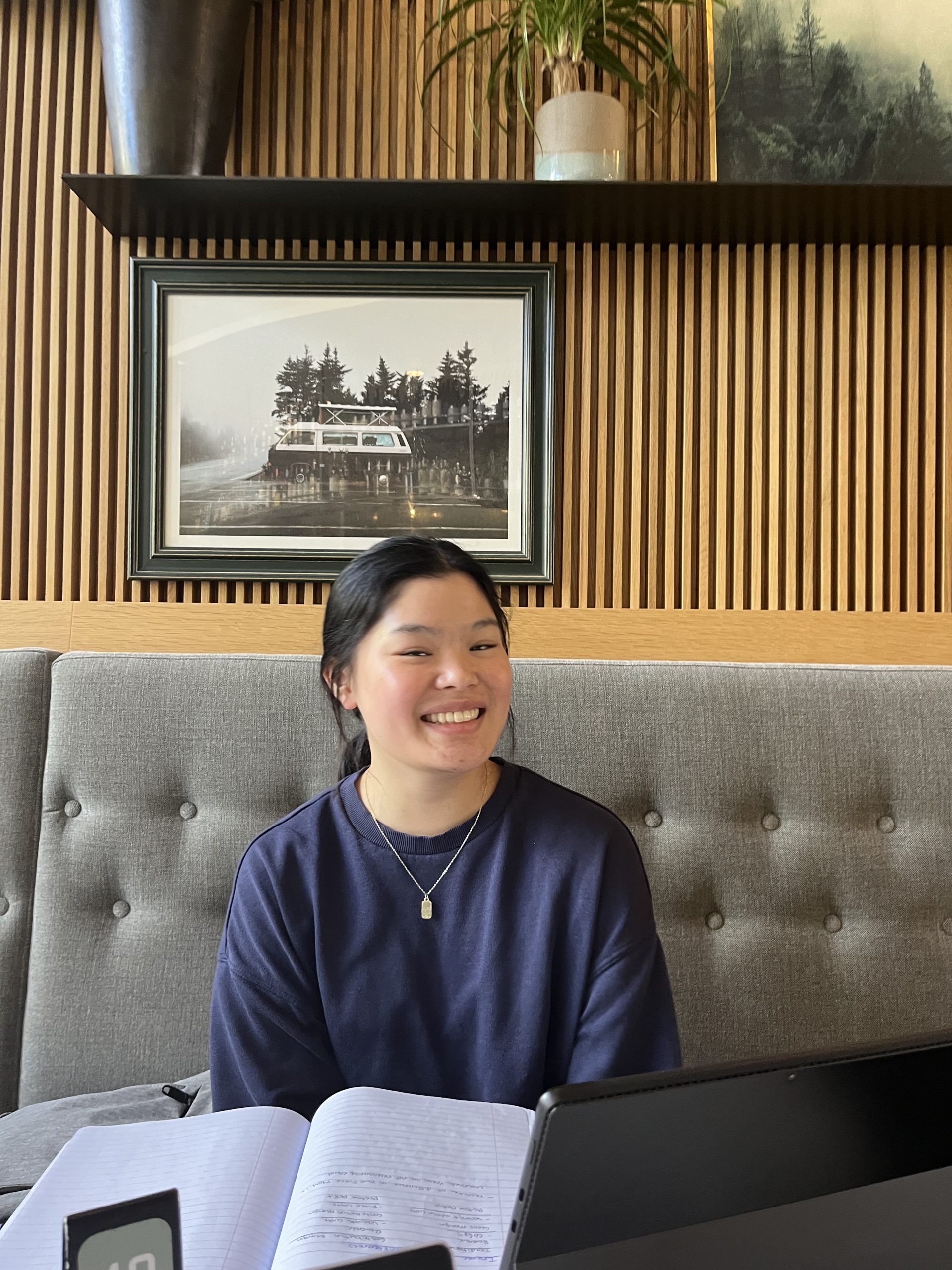
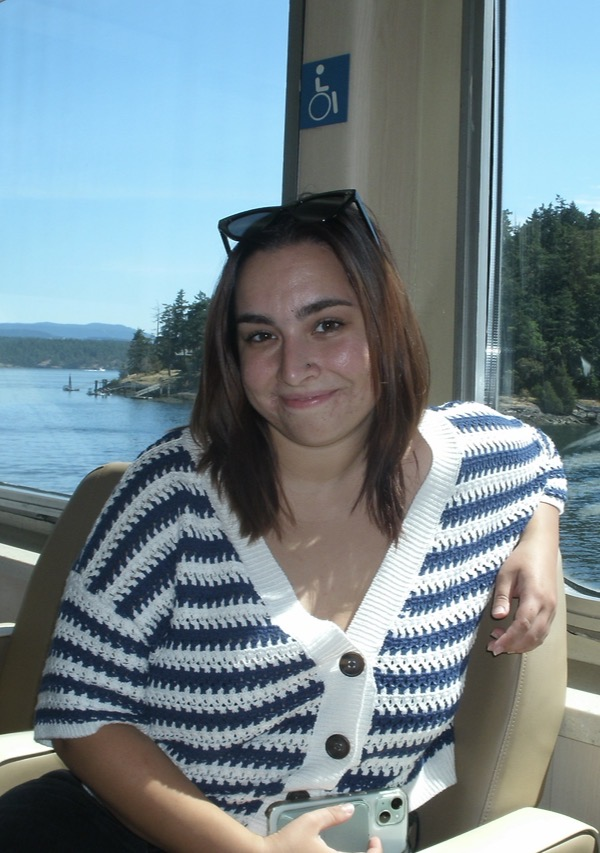
Victoria Bigga, Leo Reitan Endowed Scholarship

Victoria is an Environmental Studies and  Law, Societies, & Justice double major, graduating in the Spring 2027. As well as being a student, she is a project manager for the Foster School’s Net Impact Consultancy where she works with outside businesses on sustainability and environmental awareness through research and marketing projects. This past summer, she worked with the New Jersey Fund for Public Interest as a Field Manager on a clean water campaign with Environment New Jersey and a right to repair campaign with the NJ Public Interest Research Group. With her LSJ major, Victoria is very passionate about environmental policy and litigation and aspires to attend law school to work towards natural preservation and social justice issues perpetrated by climate change. She is also very interested in agricultural systems and food justice, and hopes to work towards creating more equitable spaces in communities and protecting local ecologies. In her free time, she is also an avid lover of the outdoors and loves travelling, hiking, kayaking, and gardening.
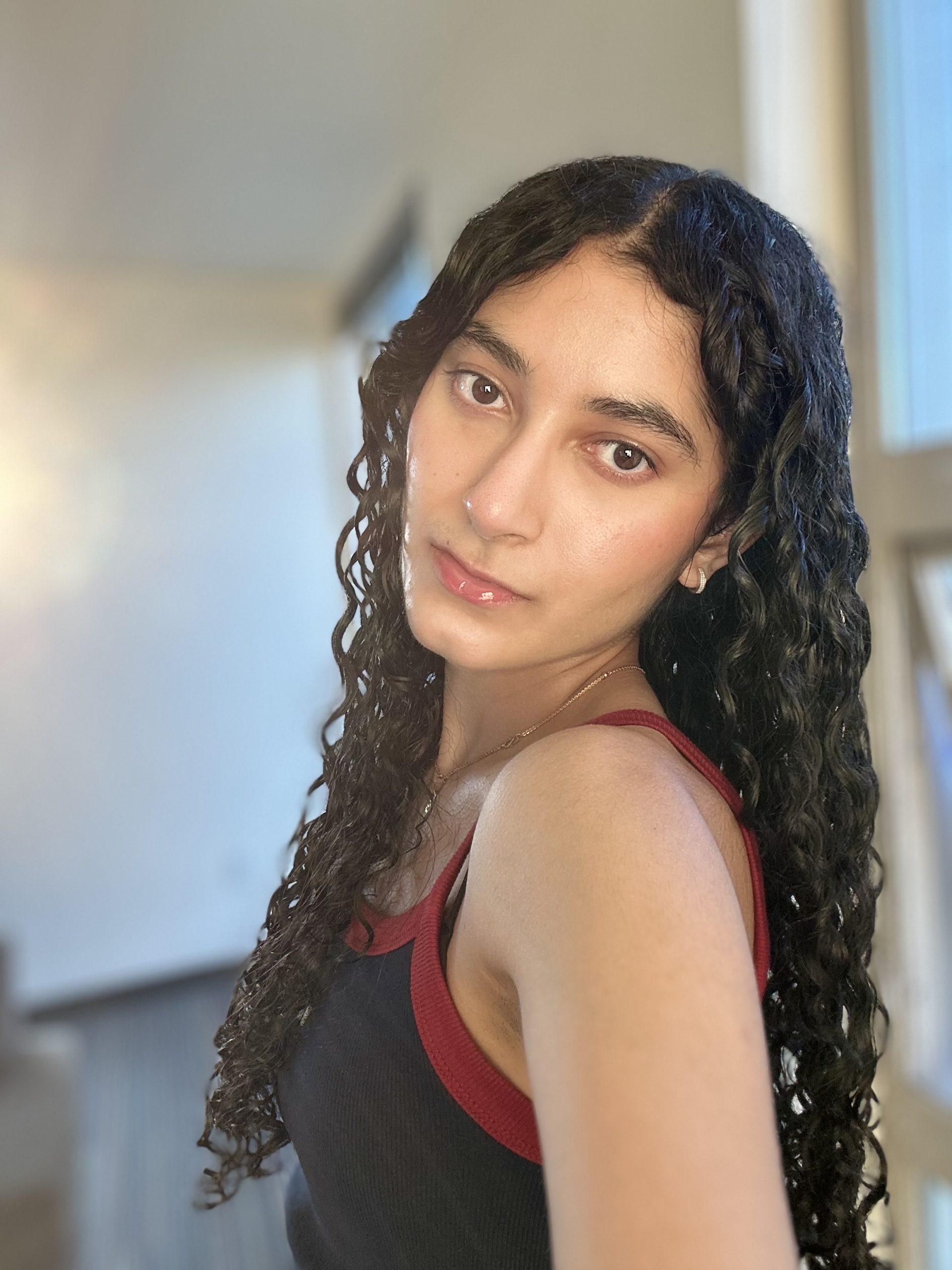

Sarah Desai, Nancy Wilcox Endowed Scholarship & Vontver Environment and Human Health Endowed Scholarship

Sarah is an Environmental Studies and Anthropology double major with a minor in ESRM; after graduating in 2026, she intends to attend law school. She is currently a Program Support Intern for City of Seattle’s Human Services Department. She is also on the Student Advisory Council (SAC) for the College of the Environment, helping to advise Deans on student-related issues. She recently completed her Anthropology honors thesis, studying the environmental and human health effects of radiation pollution from the Hanford nuclear site through an environmental justice and public policy lens. And this past summer, Sarah worked as a Population Health Applied Research Fellow under UW’s Center for Studies in Demography and Ecology to assess the accessibility of neighborhood parks for various King County stakeholders. In her personal time, she enjoys reading, cooking, and running.
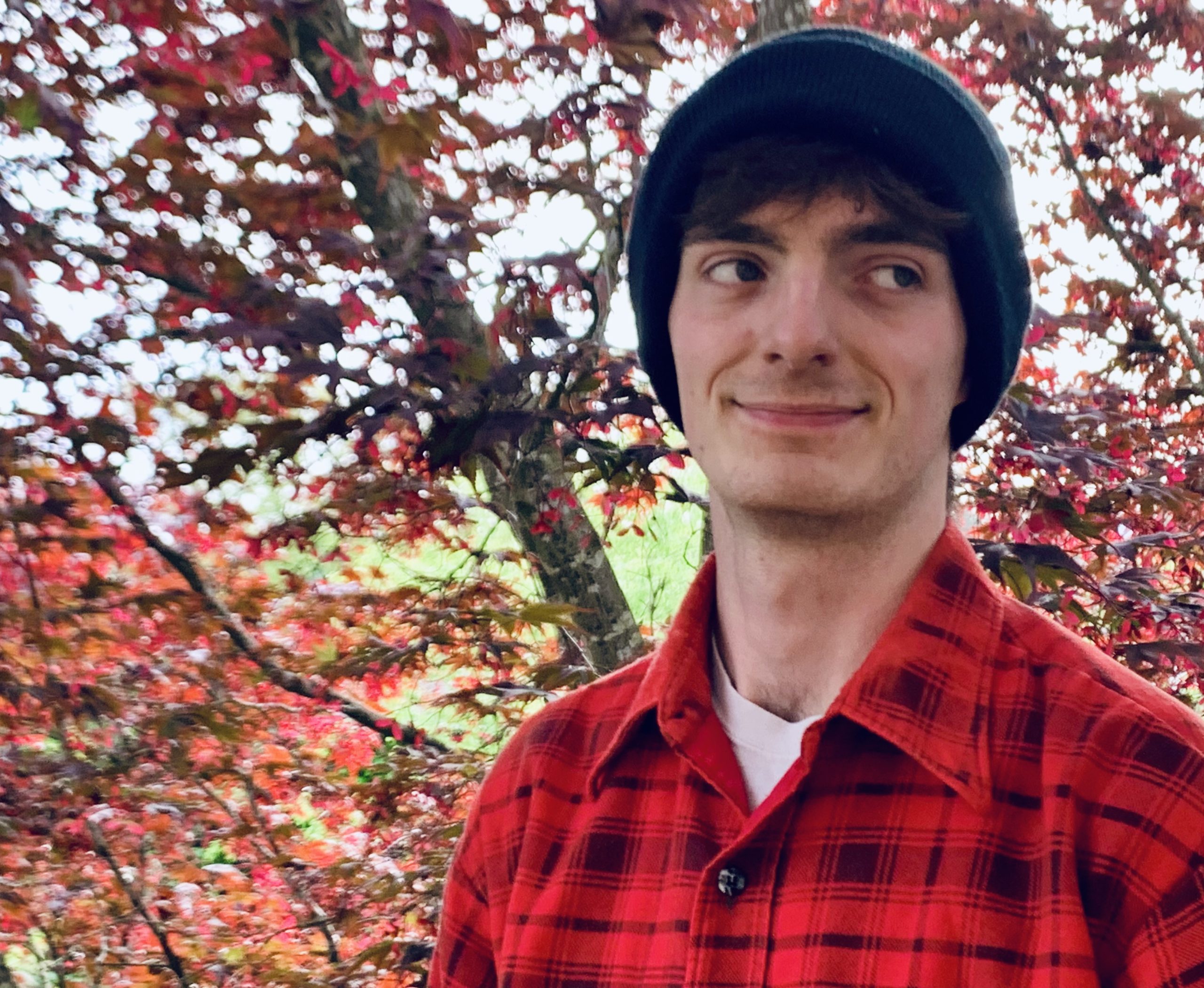

Oliver Girouard, Michael and Rebecca McGoodwin Endowed Scholarship in Environmental Conservation, Atmospheric, and Earth Sciences

Oliver, who has lived in Seattle his entire life, will be receiving his degree in Environmental Studies from the University of Washington in spring of 2026. Drawing from his experiences as an environmental camp counselor and Washington Conservation Corps crewmember, Oliver is passionate about sharing the joy of exploring the Pacific Northwest and plans to become an environmental educator. Oliver believes that the youth of today could greatly benefit from more time in nature, especially given our rapidly expanding digital world. He is also passionate about native plant production and has been serving as a student assistant for the SER Native Plant Nursery on campus. This past summer, he completed an internship at the university’s Pack Forest, where he contributed to data collection for two large-scale forestry studies and looks forward to applying the methods he learned to his capstone project.. He is committed to learning about climate adaptation strategies and finding ways to educate youth about environmental issues that inspire action rather than despair.
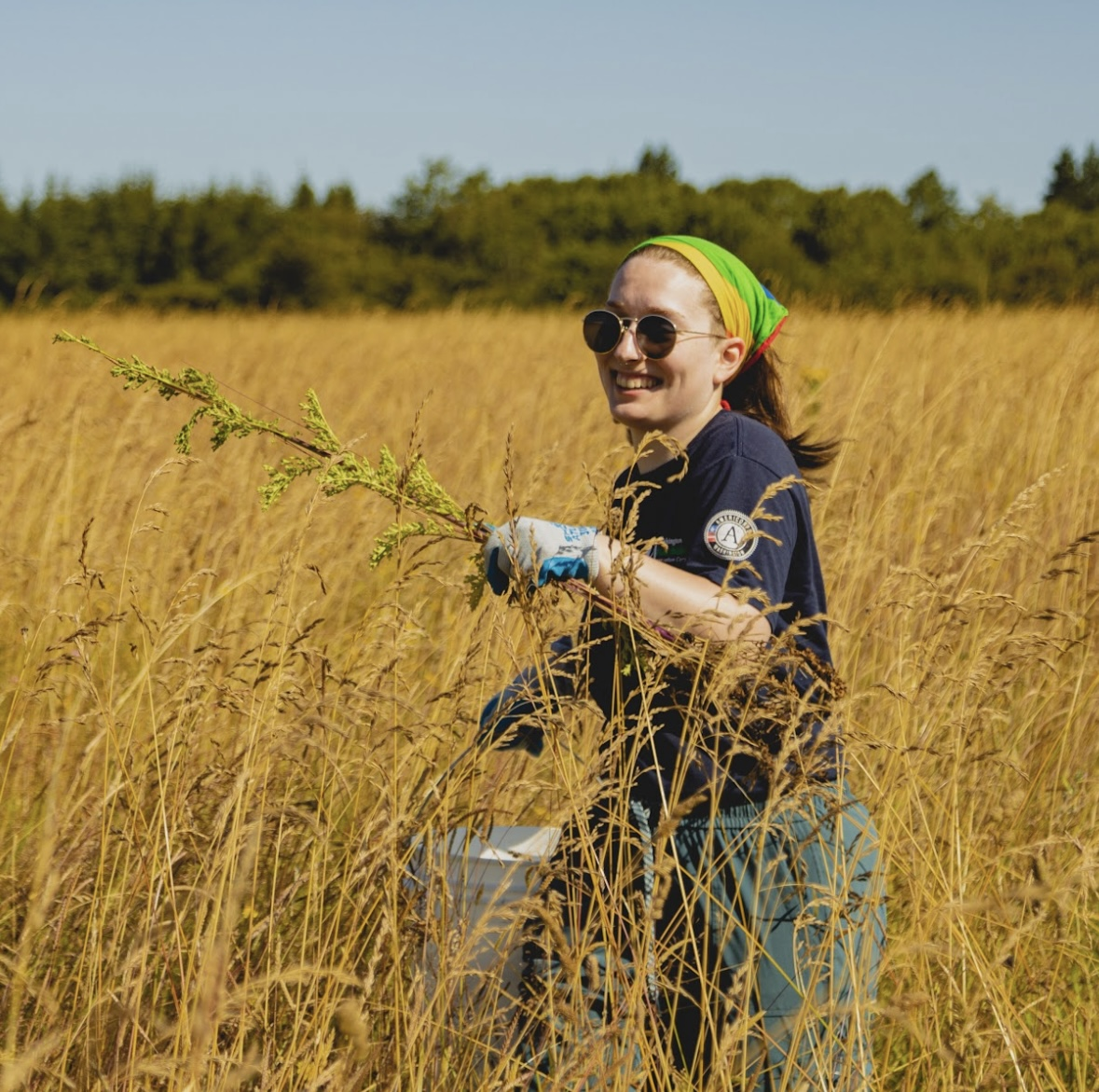

Ang Rosengreen, College of the Environment Scholarship

Ang Rosengreen is a fourth-year Environmental Studies major. Growing up in the Puget Sound area, they developed a curiosity and appreciation for the natural environment. This appreciation grew into a passion and commitment to environmental justice and ecological conservation. Pursuing these passions, Ang served in the Washington Conservation Corps for 2 years, gaining hands-on experience and skills in ecological restoration, trail building, and marine research. Envisioning a career in the public sector, they plan on pursuing a graduate degree with a focus on marine and environmental affairs. Drawing on their field background and interdisciplinary education, Ang aspires to work in a role that allows them to inform policy from an environmental justice perspective. With this work, they hop to contribute to policy that strengthens ecosystems and communities in the face of climate change.
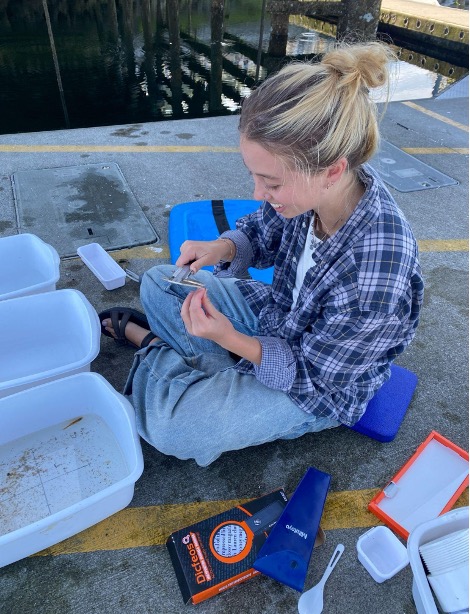
Professor P. Sean McDonald’s latest publication: High-resolution monitoring of Salish Sea estuarine communities through participatory science

Congratulations to PoE Professor P. Sean McDonald on his latest publication in Frontiers in Marine Science! The research article, titled “High resolution monitoring of Salish Sea estuarine communities through participatory science”, is a collaboration with colleagues from Washington Sea Grant, the Program on the Environment, and the School of Aquatic and Fishery Sciences. Learn more by reading the article here.


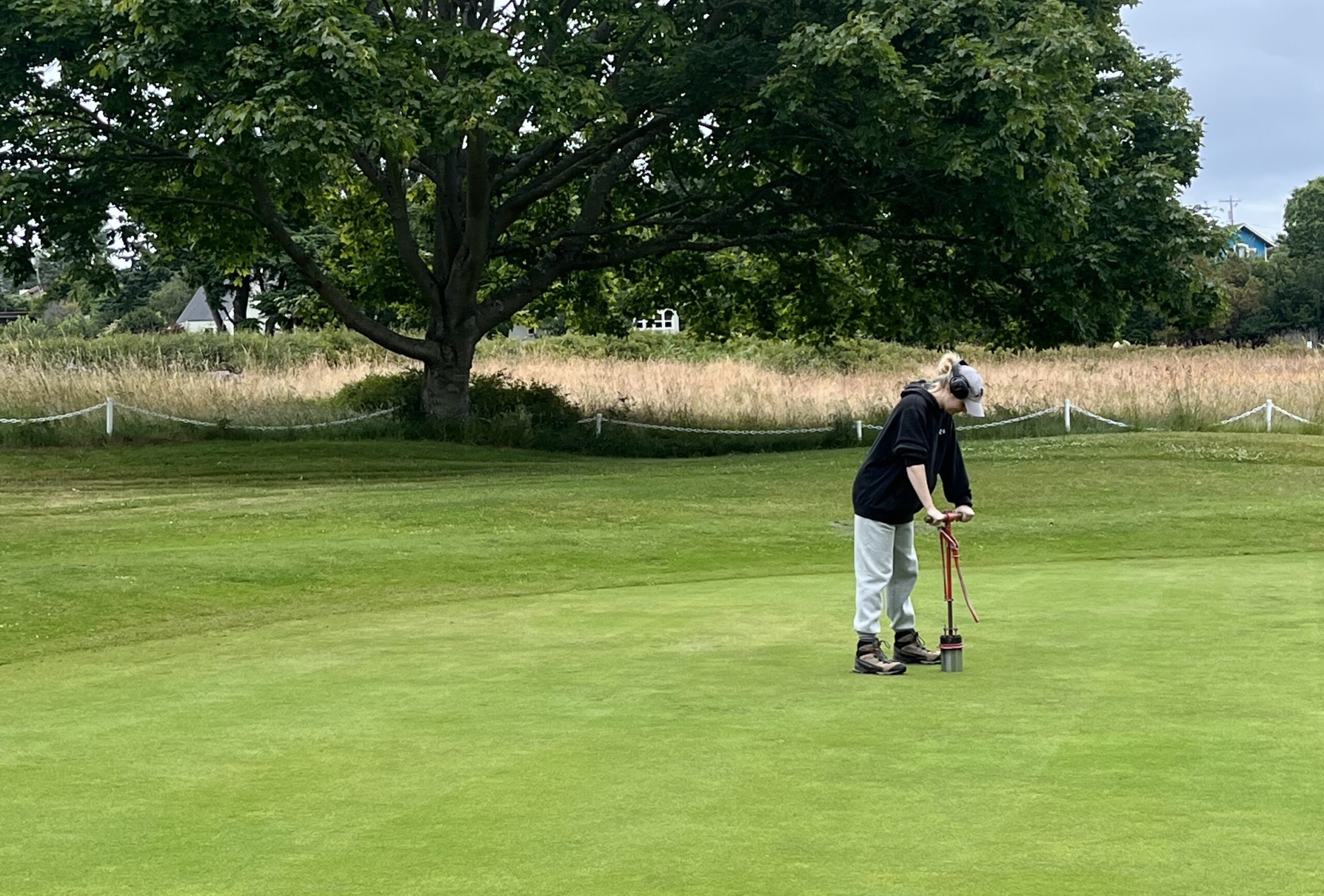
PoE Senior Maisie Walker Interns with the Friends of Camas Prairie Golf Park

There is some serendipity in everyone’s journey, and for Maisie Walker, a chance encounter led her to spend this summer serving an internship at a golf course and creating her future.

Robert Horner, an architect and designer by trade, is on the Board of Directors of the Friends of Camas Prairie Golf Park in Port Townsend, Wash. It is an all-volunteer non-profit group that since January 1, 2024, has leased and now manages the city-owned 9-hole golf facility.

A man of many talents, Horner also co-owns Propolis Brewing in Port Townsend, and while working behind the bar one evening last winter, he began chatting with one of the customers, telling of the Friends’ efforts in saving the golf course. At the end of the conversation, the customer, Robin Walker, texted his daughter Maisie from his seat at the bar, telling her she should look into this.

At the time, Maisie was a junior at the University of Washington, majoring in Environmental Studies.

For her upcoming senior year, Maisie needed to do an internship through the Capstone program, which requires that students apply their education and skills to a real-world project. These internships provide practical, hands-on experience while allowing students to demonstrate their abilities in a professional setting.


PoE Faculty Yen-Chu Weng Named a 2025-2026 Fulbright Scholar

Four University of Washington researchers have been selected as Fulbright Scholars for 2025-2026 and will pursue studies in Spain, Taiwan, Poland and Japan.

The scholars are Jamie Donatuto, a clinical associate professor in the Department of Environment & Occupational Health Sciences; Shelly Gray, a professor in the School of Pharmacy; Michael Kula, an associate professor in the School of Interdisciplinary Arts and Sciences at UW Tacoma; and Yen-Chu Weng, an assistant teaching professor in the College of the Environment.

Fulbright Scholars are college and university faculty, administrators, and researchers, as well as artists and professionals, who build their skills and connections, gain valuable international insights and return home to share their experiences with their students and colleagues.

“These four Fulbright awards are yet another example of UW’s global reach and scholarly impact,” said Ahmad Ezzeddine, UW vice provost for Global Affairs. “The Fulbright program remains the flagship international educational exchange program, fostering academic collaboration and cross-cultural understanding for nearly eight decades.


Connecting Communities to (Crab) Conservation

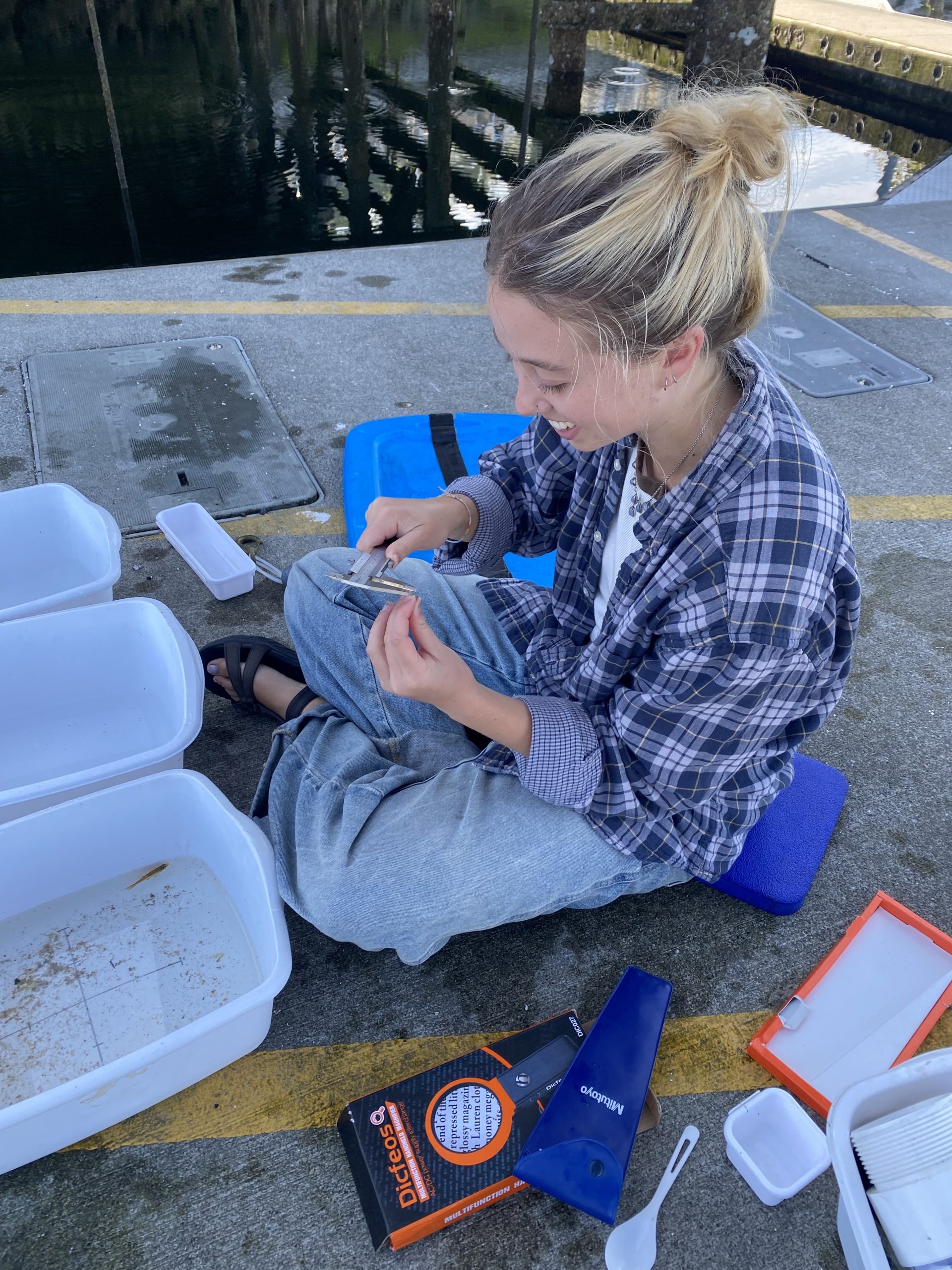
Annie Schlanger measures Dungeness crab megalopae captured in light trap at PCRG’s Shilshole Bay site (photo by Ally Galiotto).

For Annie Schlanger, a senior in Environmental Studies, her capstone project has been an eye-opening dive into the world of citizen science and Dungeness crab conservation. As part of the Pacific Northwest Crab Research Group (PCRG), Annie and other student volunteers have been collecting valuable data to help improve our understanding of the early life stages of Dungeness crabs—an iconic species in the Salish Sea, vital to both the ecosystem and local fisheries.

Through PCRG’s larval Dungeness crab monitoring program, Annie and a team of community scientists have been using light traps to capture megalopae—larval crabs at their final stage before they settle into their juvenile form. But it’s not just about counting crabs. It’s about something deeper: building connections between the public and the ecosystems they rely on. And that’s exactly what Annie’s work explores.

Her capstone project focuses on how citizen science—where community members step up as researchers—can also turn participants into environmental educators. While working with PCRG, Annie realized how powerful it is to not only engage volunteers in data collection but to help them translate their newfound knowledge into educational opportunities for others. In fact, her research found that volunteers don’t just learn about the species they’re studying—they share their knowledge with friends, family, and fellow community members, spreading the word about the importance of Dungeness crabs and the science behind the project.

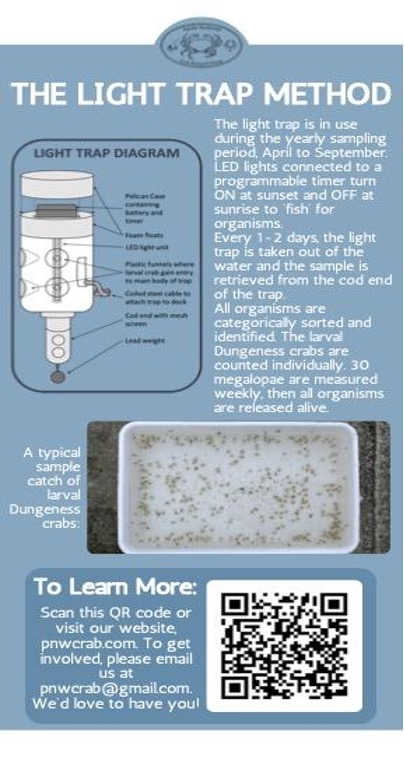
An outreach rack card produced by Annie to promote the Dungeness crab monitoring network

“I found that 80% of volunteers felt confident about teaching others about the project”, said Annie, referring to results of a survey she conducted of program volunteers.

Annie’s contribution to PCRG doesn’t stop there. She created a “rack card” for volunteers—an easy-to-use tool to help them communicate with the public about the project. This card, which will be distributed at over 60 light trap monitoring sites throughout the region, contains key information about the project and a QR code to help others get involved. It’s a simple yet effective way to ensure that volunteers can easily share what they’re learning and inspire others to take part in the effort.

But perhaps the most exciting part? Preliminary results from the Dungeness crab monitoring program were published in Fisheries Magazine on January 22, 2025. And just a few days later, Annie presented her work at the 2025 Winter Meeting of PCRG. It’s an exciting time, not only for Annie but for the entire PCRG team, as they continue to build a long-term dataset that will help inform sustainable fisheries management and ecosystem conservation efforts in the region.

Annie’s capstone journey was shaped by the guidance of her site supervisor, Alexandra Galiotto, a Program on the Environment alumna who is now the PCRG program assistant and a co-author on the paper in Fisheries Magazine. She also received advice from Program on the Environment (POE) faculty advisor, Tim Billo. Their experience and mentorship have played a key role in helping Annie connect her research to the broader community conservation efforts. P. Sean McDonald, Annie’s capstone instructor and another POE faculty, is also a co-author of the PCRG paper. As a member of the PCRG coordinating committee, P. Sean has been a consistent advocate for the power of community science and has helped bring this project to life.

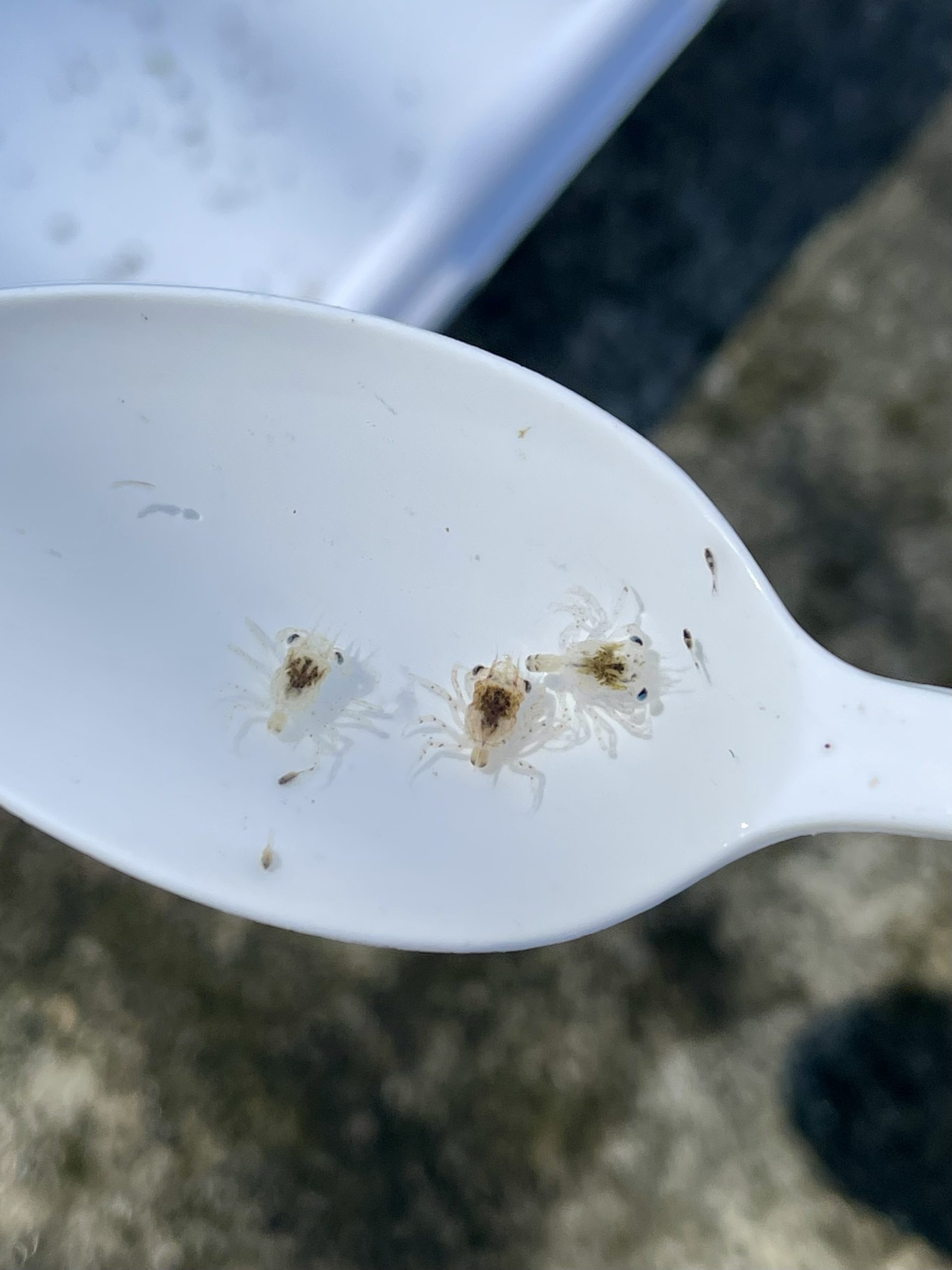
Dungeness crab megalopae captured in light trap at PCRG’s Shilshole Bay site (photo by Ally Galiotto).

Through her work with PCRG, Annie has learned that science is as much about community as it is about data. The impact of her capstone project reaches beyond just the numbers. By helping to connect the public with local science projects and encouraging everyone to become a part of the solution, Annie is helping to inspire a new generation of environmental stewards.

“The experience of being a part of participatory science is enough to give community members the knowledge they need to teach others,” shared Annie. “Now we just need networks to give their volunteers the tools and opportunities necessary to practice and hone their skills.”

This project is a perfect example of how collaboration, community engagement, and hands-on science come together to create real change. And who knows? The next time you find yourself at a marina or beach in the Salish Sea, you might just run into one of Annie’s fellow volunteers, eager to share the wonders of Dungeness crab research with you.

If you are a UW student interested in participating in monitoring for the 2025 season, then apply here. Priority application deadline is March 1st. Contact psean@uw.edu with questions. More information about recent research can be found here.

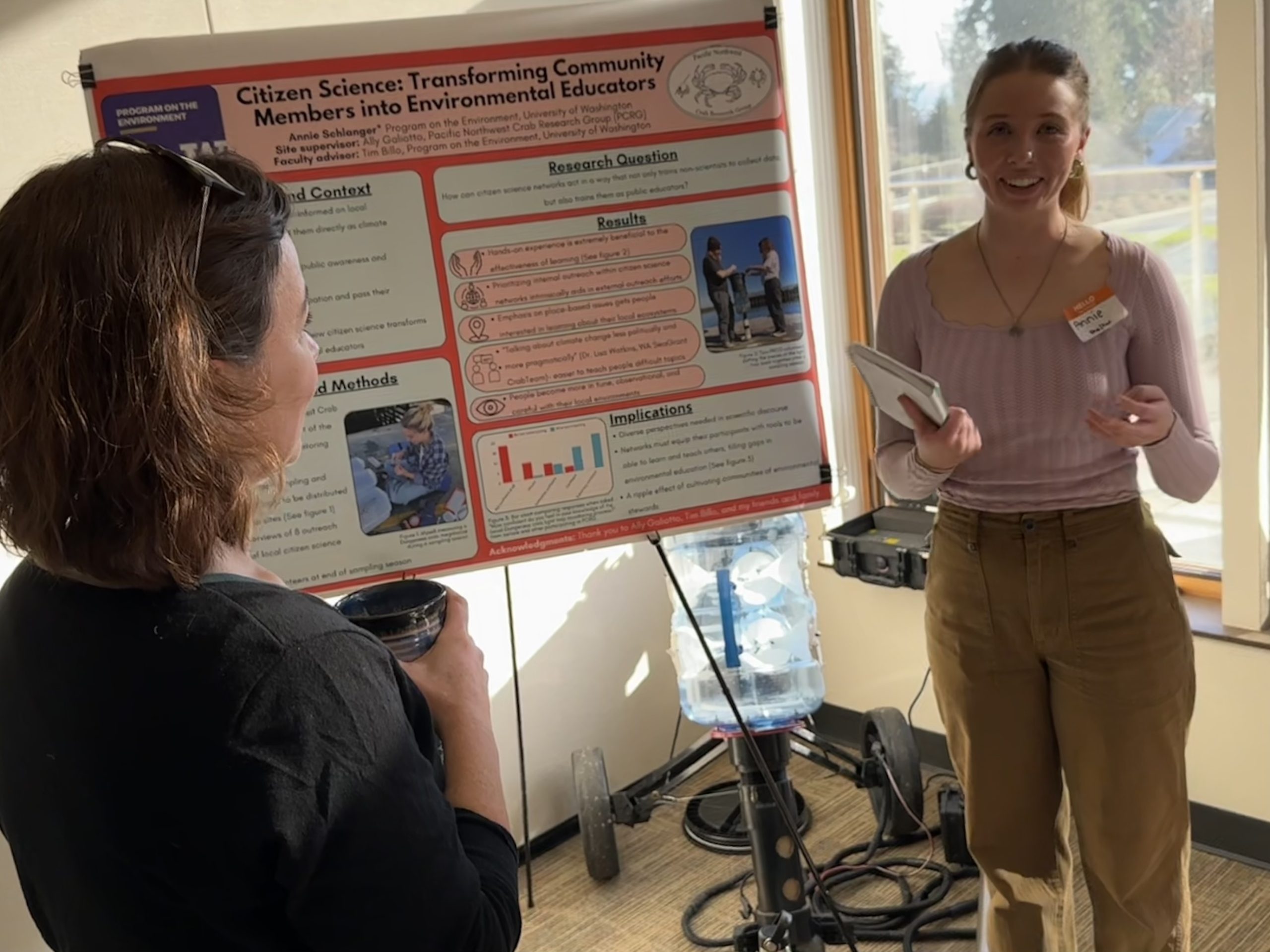
Annie shares her research at the 2025 PCRG Annual Meeting in Kingston, WA.

Global Visionaries: Yen-Chu Weng

The Office of Global Affairs is excited to celebrate Yen-Chu Weng for our November 2024 edition of the Global Visionaries series. The Global Visionaries series highlights the UW’s global impact by featuring innovative, globally-engaged faculty, staff, students and alumni.


Tell us about your background and experience.

I was born and raised in Taiwan. From an early age, I knew I wanted to explore more of the world. I chose geography as my field of study when I went to National Taiwan University. I really enjoyed all of the field components of the curriculum, especially going out to explore different topics across various regions in Taiwan. While I was in university, I took advantage of an opportunity to go on a new global exchange program to Germany. The language program allowed me to study German intensively for three months in Munich. In my senior year, I decided to study abroad again but this time in Australia on an exchange program to the University of Melbourne. My first few weeks in Australia were very difficult as I figured out how to navigate a different system of higher education and I gained more confidence to speak out during class discussions.

After I graduated from university, I spent one month in Taiwan after returning from Australia before I packed up all of my things and moved to Madison, Wisconsin. I came to the United States in 2003 to continue studying geography in graduate school. While I was in graduate school, I served as a teaching assistant for multiple courses in my department. It was a very formative experience for me. I learned more about what higher education looks like in the United States. I found a way to deliver instructions to students in my class while sharing my own perspectives. It involved a lot of self preparation and learning from my peers and mentors to learn how to adopt a more interactive teaching style.

My first job after graduate school was in the Program on the Environment in the College of the Environment at the University of Washington back in 2013. For the first couple of years, I mainly focused on developing curriculum and learning the curriculum in my program. In 2017 or 2018, after establishing some of my teaching credentials in my program, I decided to incorporate more of an global learning component into our curriculum. I saw there was a demand from students in the Program on the Environment to learn more about environmental issues in countries outside of the Western context. I decided to challenge myself and started seeking opportunities to bring in an international perspective to our curriculum. I got started by making connections with colleagues in Taiwan to lay the groundwork for a new study abroad program.


Turning the Tide: Chris Mantegna on changing the face of marine science

On a windy June afternoon, Chris Mantegna, ’21, encourages a half-dozen undergraduates to flip over barnacle-studded rocks and sift through seaweed. Equipped with clipboards to record their findings, they’re creating a snapshot of the organisms in the island’s intertidal zone — from orange sea cucumbers to the camouflaged armored mollusks called chitons.

Mantegna, a third-year graduate student in aquatic and fishery sciences, has spent the past three summers in Washington’s San Juan Islands, mentoring undergrads here on Yellow Island — a pristine 11-acre nature preserve owned by the Nature Conservancy. She created this eight-week program for students to get their hands dirty in the field and learn cutting-edge lab techniques at the UW Friday Harbor Laboratories — where she had a transformational research experience herself as a Husky undergrad.

This mentorship program reflects Mantegna’s passion both for advancing the science and for making it more inclusive and accessible to others. Her face lights up when she spots a small chiton (her favorite) clinging to the bottom of a rock, and she invites others to feel the mollusk’s tough plated back. Even Mantegna’s doctoral work — examining the genetic response of shellfish to contaminants in Puget Sound waterways — has a focus on community outreach and environmental literacy.

Mantegna says we have a better chance at fighting climate change when everyone — scientists and community members — feels connected to their environment and each other. “I can tell you that the ocean is dying or that we have too much acidification,” says Mantegna, a U.S. Navy veteran who is the first in her family to graduate from college. “But it doesn’t matter if you’ve never had the chance to feel the joy that comes from this place.”


Congratulations 2024-2025 College of the Environment Scholarship Awardees!

Sarah Desai, College of the Environment Scholarship

Sarah is an Environmental Studies and Anthropology double major, graduating in Spring 2026. She’s a Program Support Intern for City of Seattle’s Human Services Department, where one of her current projects is analyzing how climate change will specifically effect King County’s elderly and disadvantaged populations. She’s President of Huskies for Kids, a community service based RSO dedicated to fundraising, programming events, and volunteering to help underprivileged youth and families across Seattle. Sarah is a student leader through being on the Residence Education Programming (REP) team, where she helps plan 20+ annual educational events for over a 1,000 on-campus residents. She is also on the Student Advisory Council (SAC) for the College of the Environment, helping to advise Deans on student related issues. She’s currently working on her Anthropology honors thesis where she’s studying the environmental and human health effects of radiation pollution from the Hanford nuclear site through an environmental justice and public policy lens. In her personal time, she enjoys reading, cooking, and running.


 Sam Pham, Leo Reitan Scholarship

Sam is from Seattle majoring in Environmental Studies and Geography graduating in 2027. This is his second year with the UW Dawgcast where he works with other students to forecast the weather and publish forecast blogs and videos for the greater Seattle area. He has also previously served as a SEED (Students Expressing Environmental Dedication) representative for his residence hall. In his spare time, he also enjoys gardening (at home and his local community garden), fishkeeping, and tidepooling. He is looking to pursue a career in the urban planning sector and use his knowledge of the environment and mapping to seek solutions to today’s urban environmental problems.


Annie Schlanger, College of the Environment Scholarship

Annie Schlanger is majoring in Environmental Studies and Political Science, and will be graduating in Winter 2025. She is from Ellensburg, WA and spent her time growing up being in nature and around animals. Her academic interests include environmental education, agroecology and regenerative food systems. This summer, Annie did her capstone internship with the Pacific Northwest Crab Research Group, doing light trap monitoring for larval Dungeness crabs. She just got back from a study abroad in Ecuador, studying agroecology and Indigenous food systems. In her free time, Annie is the vice president of the UW equestrian team.


Shannon Cosgrove, College of the Environment Scholarship

Shannon is a senior majoring in Environmental Studies with a minor in International Studies, preparing to embark on an Honors capstone internship in the upcoming winter quarter. Growing up in Port Angeles, where the mountains meet the sea, she developed strong values of environmental stewardship from a young age. Her past experience as a legislative intern for the Washington State Board of Community and Technical Colleges fueled her passion for advancing social justice and supporting at-risk communities through effective policy initiatives. At the UW, she has cultivated a deep commitment to environmental and climate justice, inspired by the incredible individuals she has encountered here. After graduating in the Spring, she aspires to work in a space where she can leverage her skills to help those most affected by the climate crisis understand environmental policies, encourage collective action, and contribute to the societal change she envisions. Ultimately, she aims to be part of global environmental policy, advocating for sustainable practices on a worldwide scale.


Evelyn Osburn, College of the Environment Scholarship

Evelyn Osburn is majoring in Environmental Studies and Political Science, with a minor in Spanish and will be graduating in Spring of 2025. She comes from beautiful Whidbey Island where she enjoys hiking and going to the beach. She is passionate about the intersection of the environment and public policy, as well as sustainability, environmental justice, indigenous sovereignty movements, and the accessibility of the outdoors. Evelyn has worked to be involved within her community and environmental-related issues in her time at UW. She has served as a Co-Lead for the Nextgen Civic Leader Corps Sustainability & Environmental Justice Team organizing and attending events. She is an undergraduate fellow through the Center for Environmental Politics (research assistant focusing on maladaptation) and through the Center for American Politics and Public Policy (designing original research to be presented in Spring!). Over the summer, she worked as an intern for Zero Waste Washington—a non-profit driving policy and systematic change for a healthy and waste-free world—for her senior capstone project. Lastly, Evelyn has recently become a staffer for the climbing club and hopes to get more individuals from marginalized communities introduced to the outdoors in a safe and inclusive manner! She believes that everyone is a leader, and our individual choices have lasting impacts, so we can all do amazing things.


Leyna Doty, College of the Environment Scholarship

Leyna is a third-year majoring in environmental studies and minoring in nutrition. She’s from Spanaway, Wa and is interested in the impacts that sustainable agriculture has on local communities and the environment. Last summer, Leyna went on a study aboard program to Costa Rica to be immersed and learn about sustainable food systems. She have been involved in UW Dirty Dozen and NetImpact RSOs on campus, and is currently interning on the UW Farm. Leyna hopes to eventually own a small-scale farm with the mission of increasing healthy food access and equity.


Additional scholarship recipients include Oliver Girouard, College of the Environment Scholarship


Your Environmental Studies SAC Representative for 2024-2025!

The College of the Environment’s Student Advisory Council (SAC) helps to amplify student voices within the College, and serves as a liaison with the Dean’s office to promote positive change for the College community. Each unit has a representative, and for the 2024 – 2025 school year, environmental studies student Lauren Church will be serving as our unit’s rep! Read her introduction message below to learn more about the SAC and how she can help you help make the College and PoE a better place.

Hello PoE Undergraduates!

I hope everyone’s 2024-25 school year is going well! I am excited to serve as one of your undergraduate representatives on the College of the Environment Student Advisory Council (SAC) this year. The SAC has worked on numerous initiatives throughout the college including field notes, the CoEnv mentoring program, and the annual graduation gift. In my position, I work as an intermediary between the Dean’s office and undergraduate students within the Program on the Environment. My role is to represent you.

If you ever have a concern about the way the College of the Environment or Dean’s office is operating, or you have ideas about how we can make PoE a better place for students, please reach out! I am accessible via email at churchl@uw.edu. You can also get in touch with the SAC through our co-chairs at coenvsac@uw.edu. The Student Advisory Council has great access to people within the Dean’s office, and I hope to make your ideas and concerns heard.

A little about me, I’m a fourth-year undergrad studying Environmental Studies and Political Science. I am interested in natural resource conservation, environmental justice, and policy and am involved on campus through Peaks and Professors!

Feel free to reach out to me if you ever want to chat. Enjoy the rest of your Autumn quarter!

Sincerely,

Lauren Church


FieldSound Podcast featuring Eli Wheat and the UW Farm

PoE’s own Eli Wheat was featured on the most recent episode of FieldSound, the College of the Environment’s podcast, to talk about sustainable farming and our relationship as humans with the land and food we consume. Tune into this episode to learn about Eli’s work with the UW Farm and SkyRoot, his own farm on Whidbey island, which utilizes an ecosystem approach to agricultural land management.