 PoE students in the news! Check out this article in the Seattle Times focused on Dungeness crab, which features Pacific Northwest Crab Research Group’s larval crab monitoring and includes a photo of one of our PoE students, Annie Schlanger, doing her capstone research. The Shilshole marina site where Annie worked this summer was staffed almost entirely by PoE and Marine Biology students from UW during the past season (April – September). Read more about the plight of the Dungeness crab in the Puget Sound, and how current research is contributing to conservation efforts.
Apply Now: Assistant Teaching Professor, Environmental Studies
The University of Washington Program on the Environment (PoE) invites applications for 2 faculty positions at the level of Assistant Teaching Professor in any field of Environmental Studies. These positions may teach courses in at least one of the following areas:
- Bioregional natural history
- International socio-ecological issues
- Quantitative and qualitative data analysis
- Environmental justice
Positions are full-time (100% FTE) over a 9-month service period with additional possible summer teaching. The intial appointment is 3 years. After the initial appointment, they can be renewed up to 5 years as an Assistant Teaching Professor. Teaching faculty are ineligible for tenure. All teaching responsibilities will be in the Program on the Environment (PoE); however, the academic appointment will be based in an academic appointing unit within the College of the Environment, depending on interests and expertise of the successful candidate. Teaching Professors are full voting members of their academic appointing unit faculty. The anticipated start of the position is September 16, 2025.
The base salary range for this position is $8,500 to $11,000 per month commensurate with experience and qualifications, or as mandated by a U.S. Department of Labor prevailing wage determination. Other compensation associated with this position may include start-up funds, lump sum moving allowance and/or a relocation incentive.
All UW faculty engage in teaching, scholarship, and service. The Teaching Faculty in the PoE are long-term educational professionals who combine instructional excellence with a variety of leadership, community building, outreach, advancement of pedagogy, and disciplinary scholarship work.
CoEnv Highlight: UW researchers use DNA to investigate a green crab whodunit
Over the past several years, shellfish growers in Washington’s Willapa Bay have raised the alarm that Manila clams, one of the region’s most important commercially grown shellfish, were inexplicably declining. At the same time, these aquaculturists have witnessed growing populations of one of North America’s most destructive invaders: the European green crab.
But determining if the crabs were directly responsible for the declining clam populations — that is, whether they were eating them — was trickier than it sounds. Marine ecosystems are complicated, and as it turns out, green crabs don’t give up their secrets easily.
“I’ve spent more than 20 years trying to figure out what crabs eat,” said P. Sean McDonald, associate teaching professor in the UW Program on the Environment and School of Aquatic and Fishery Sciences. “It is an incredibly difficult proposition. Crabs are like little self-contained blenders, and anything that goes into their mouths is immediately turned into a slurry. It’s like trying to identify the individual parts of a smoothie.”
COIL Project Bringing Students from the UW and Taiwan Together for An Interdisciplinary and Cross-Cultural Learning Experience

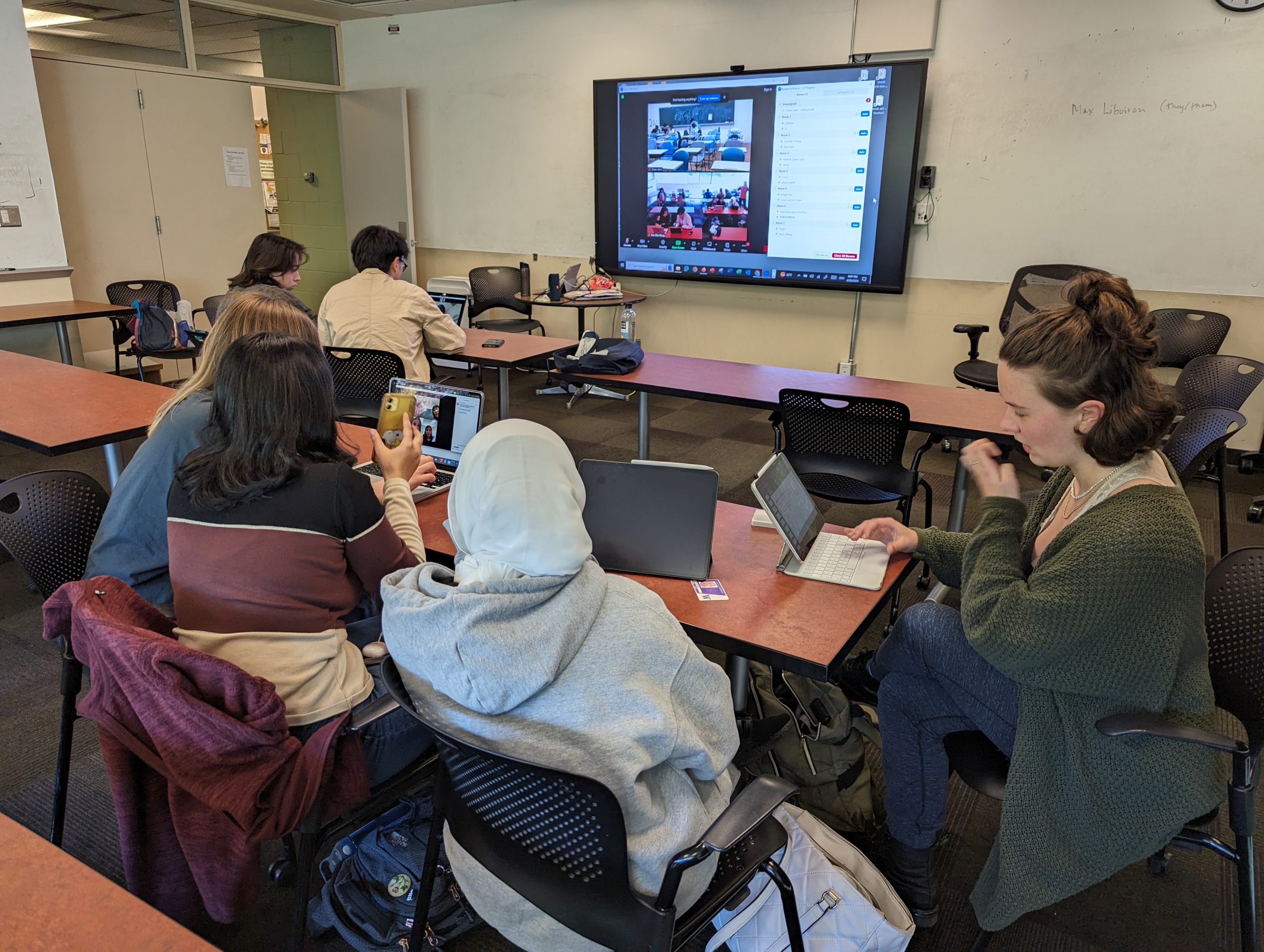
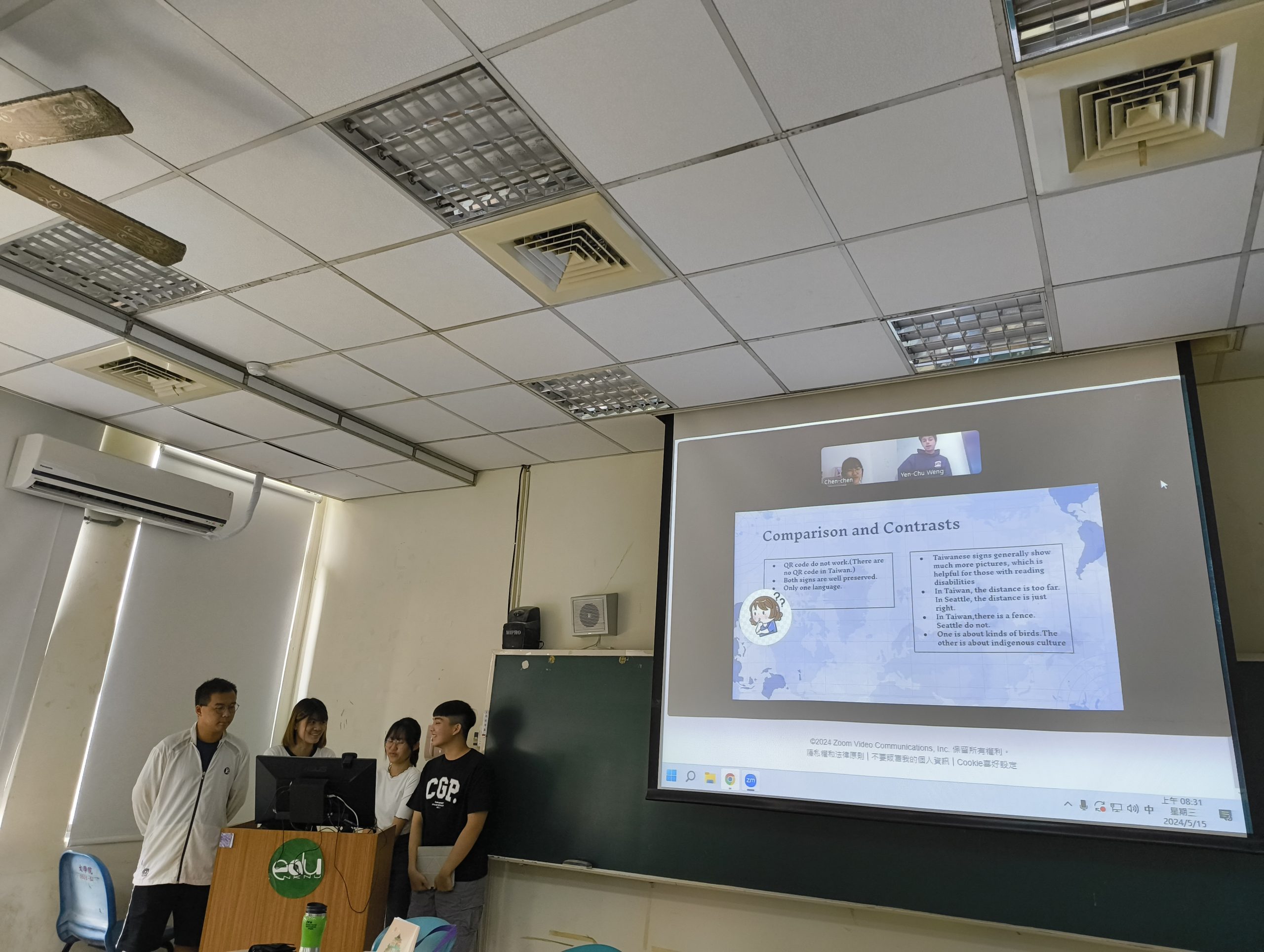
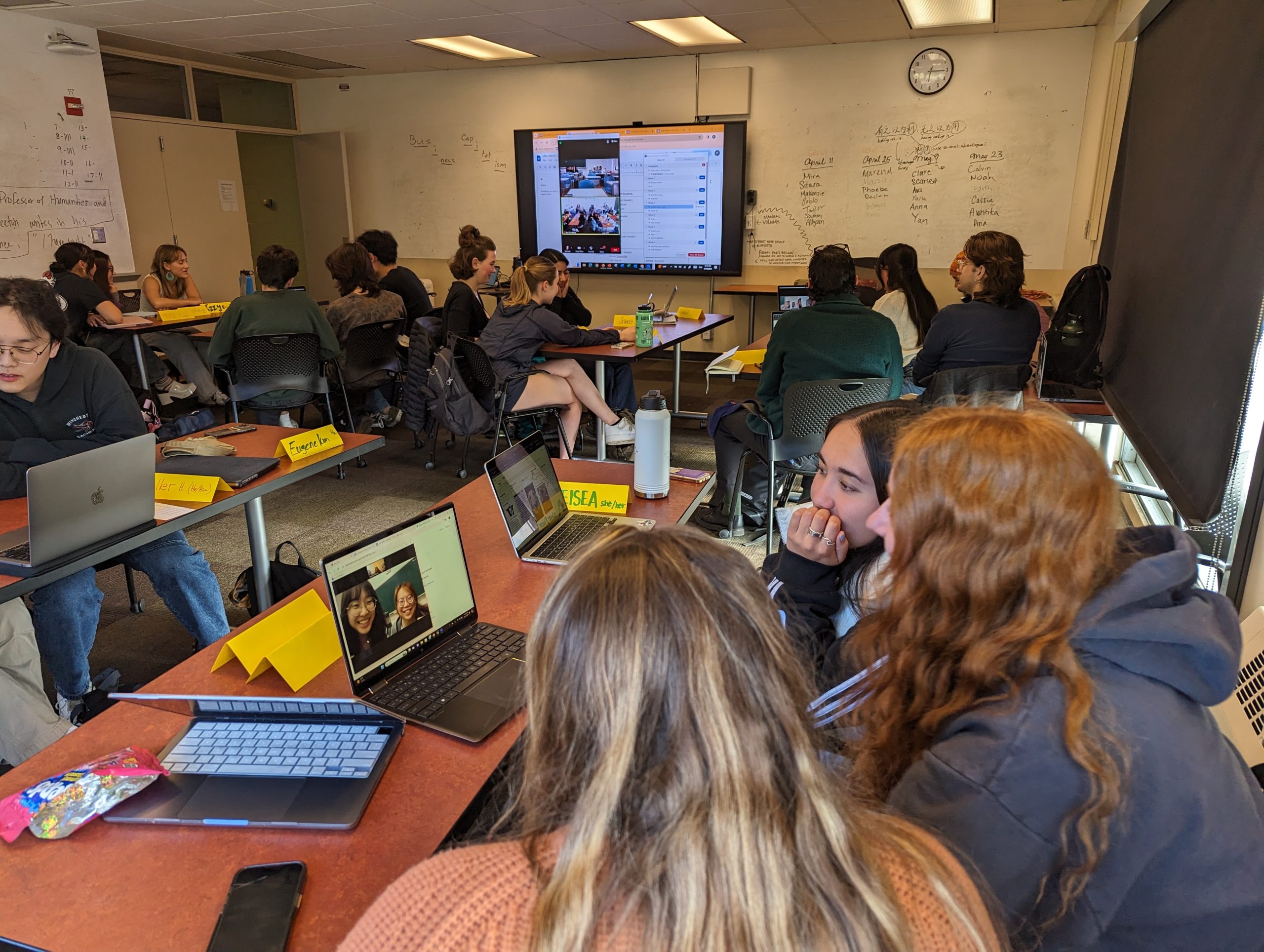
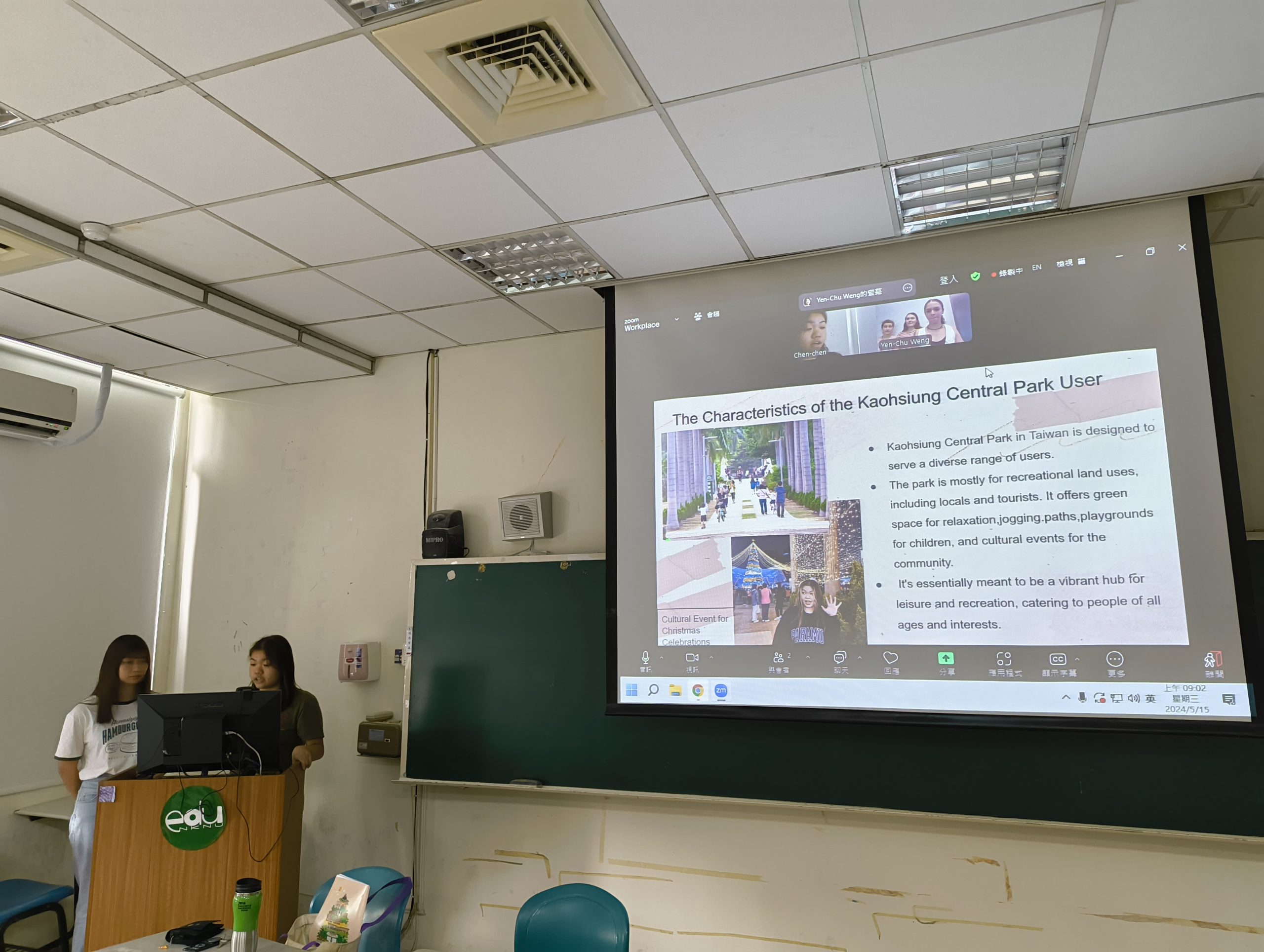
This spring, students in Professor Yen-Chu Weng’s course “Environmental Issues in East Asia” participated in an Online International Collaboration Learning (COIL) project with students from Taiwan on evaluating the accessibility of interpretive signs in nature parks. COIL is an approach to foster global competence through development of a multicultural learning environment that links university classes in different countries. Using various communication technologies, students complete shared assignments and projects, with faculty members from each country co-teaching and managing coursework (UW Bothell COIL Initiative).
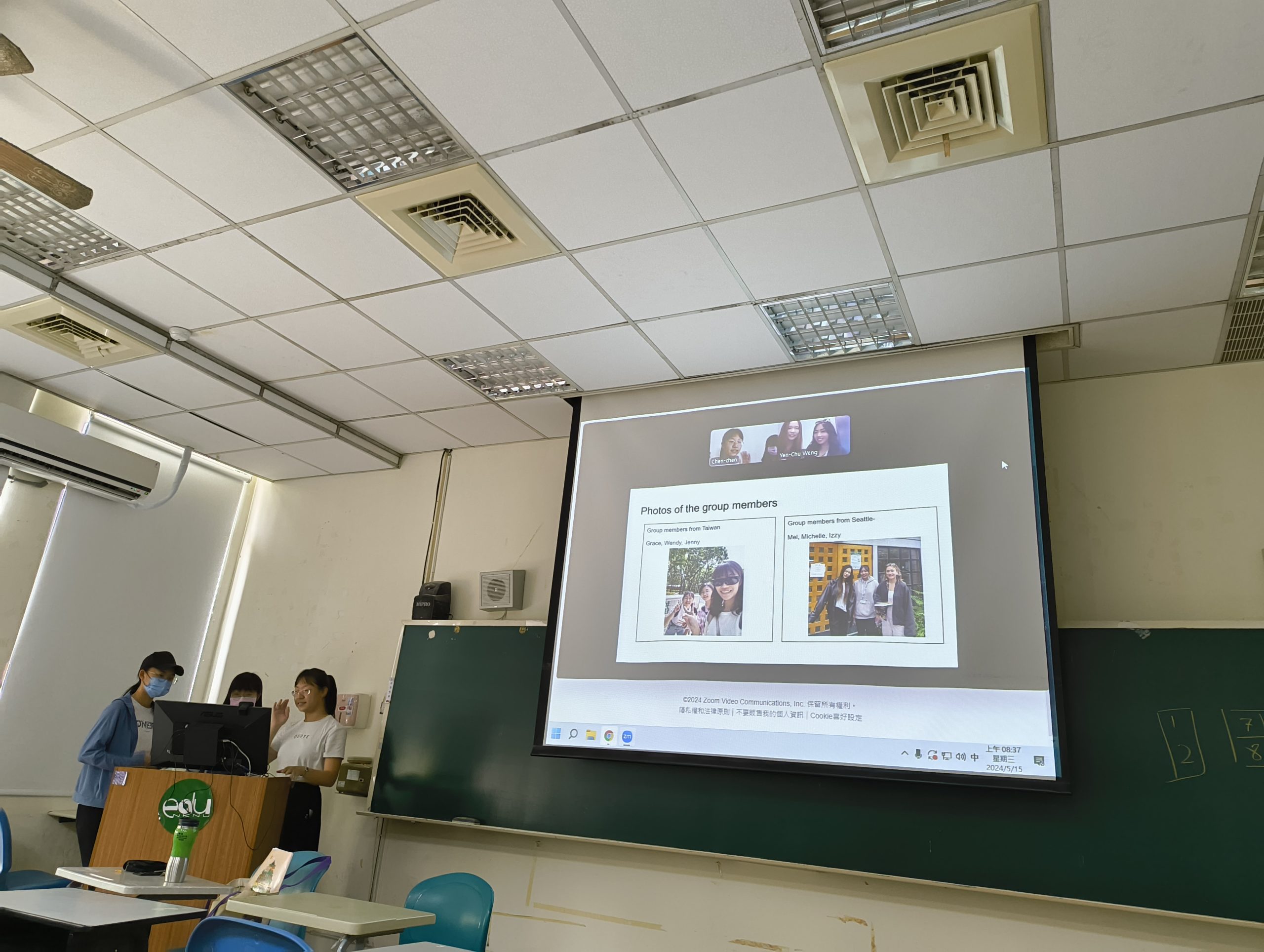
Professor Weng’s course partnered with Professor Chen-Chen Cheng’s course in Special Education from National Kaohsiung Normal University. Through a five-week collaboration, students from both campuses had joint lectures on the basic design principles for accessible interpretive signs and inclusive communication for people with disabilities. Project teams from each campus conducted field work to observe and analyze interpretive signs in their respective cities – The UW Arboretum and the UW Farm in Seattle and several parks in Kaohsiung and Tainan, two major cities in Southern Taiwan. The culmination of the COIL module was a mini presentation comparing and contrasting the accessibility of interpretive signs in nature parks between Taiwan and Seattle. (See student final presentations here.)
Students were asked to have a specific person with disabilities in mind as the intended park user when they visited the park and conducted the analysis. In addition to physical disabilities (vision, hearing, mobility), invisible differences in abilities such as reading abilities, education level, attention span, neurodivergence, and levels of interest in the subject should also be considered. Students analyzed the accessibility of interpretive signs in the following aspects: physical accessibility, communication accessibility, and multi-modality experience.
There were seven project groups, and each group had a mix of students from Taiwan and from the UW. A total of 70 signs were analyzed. In terms of the purposes of the signs, they varied from maps and directions, environmental education (information on the species, ecology, and environmental science) to park rules and regulations.
Most of the signs were written in a single language (either English or Mandarin Chinese). A few signs in Taiwan had English translations. Only a few signs had braille texts for the visually impaired. Most of the signs were informational and did not allow interactivity. Only a few signs had either QR codes for more information or flip panels that a user could explore more.
The learning objectives of this COIL module are multi-folded, including both an understanding and application of the universal accessibility concepts to analyze interpretive signs in nature parks and cross-cultural competency and reflection.
One UW student shared that: “Analyzing signs in Seattle has truly broadened my appreciation of accessibility from various dimensions… The multi-modality dimension has highlighted the importance of providing information in different formats to cater to various learning styles and sensory preferences. It’s about recognizing that not everyone learns or absorbs information in the same way, so offering a variety of formats like visual, auditory, and tactile ensures inclusivity for all visitors.”
In terms of the cross-cultural collaboration experiences, several UW students shared that: “Collaborating with students from Taiwan was an incredibly enriching experience, one that I’m genuinely grateful for.” “This project allowed me to appreciate the privilege of speaking English as my mother tongue and how that makes it easier to collaborate with not just Americans but people of all identities.” “The COIL project allowed me to further understand how many similarities there are between the daily lives of people throughout the world, although of course differences still exist. When discussing accessibility, many of the same issues arose in both the United States and Taiwan.”
Students in Professor Cheng’s “Communication Training for Students with Disabilities” class also greatly appreciated this rare collaborative international learning experience. The following is Professor Cheng’s observation in her class.
As students in Taiwan seldom encounter people from other countries, one student exclaimed right after her first online meeting with her U.S. partners, “This was my first time talking to a foreigner!” Her eyes shone with amazement that continued through the 5-week project. Learning wise, in addition to having a deeper understanding about the accessibility of interpretive signs in nature park, students from Taiwan experienced first-hand communication breakdowns when they tried to use English, a language they learned in school but did not have a use for in their daily life. While learning how to support students with disabilities to communicate, they now know, to a certain degree, what it felt like to be a person with a “communication need” while attempting to talk to their U.S. partners. A student shared afterwards, “Now I know what multi-modal communication means” as he gestured, mimed, and pointed all at once to make his point.
In a post-COIL project survey, students ranked the following as having the strongest impact on their growth: Learning and understanding other ways of seeing the world, growth in self-awareness, greater understanding of different cultures, and understanding how to interact with people from different cultures.
This COIL project was funded by the UW COIL Fellowship, the Global Innovation Fund, and the East Asia Center Travel Grant. Professor Weng and Professor Cheng will present their work at the North American Association for Environmental Education Conference this November. You can learn more about the project on this website: https://sites.google.com/view/uw-nknu-coil2024/home
ENVIR 480 Student Project Highlight
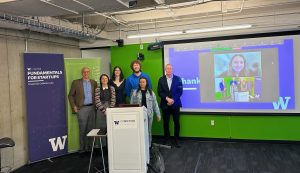
Students from the Spring 2024 offering of ENVIR 480, Sustainability Consulting Practicum, hit it out of the park last week with their presentation on super-gas user conversion to electric vehicles!
In ENVIR 480, students are split into teams and paired with local Seattle organizations — often either businesses or nonprofits — to work on a client project that advances sustainability in the respective sector. This provides an introduction to the field of environmental consulting, and requires students to work together under a tight 10-week quarter deadline to collect and analyze data that will inform recommended next steps.
This past quarter, one team of students including Zola Ontiveros, Deja Jackson, Sophie Stetkiewicz, Callum Mitchell, and Zjada Baydass worked with Coltura, an environmental nonprofit striving to improve climate, health, and equity by developing policies that facilitate a switch from gasoline to cleaner alternative fuels. The students collected primary research on gasoline usage and EVs through the form of in-depth personal interviews, and used their data to develop a customized set of recommendations for the Coltura team. Congratulations to our wonderful students on an amazing quarter of work, and a special thank you to Professor Fred Pursell for his guidance, mentorship, and instruction of ENVIR 480’s Spring iteration.
2024 Trash Art Contest Winners – Congrats Benji!
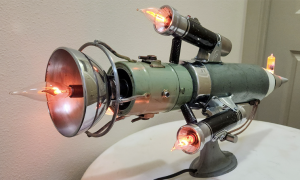 This year’s Trash Art contest, held by UW recycling, has finally come to an end! Students & staff were invited for the fifth year in a row to submit artwork created from items normally thought of as trash, or a written work about waste and sustainability, that conveyed feelings or ideas about waste and sustainability.
Check out the link below to see all the wonderful submissions, including the winners of each submission category. PoE’s own Benji Blatt earned second place in the ‘Literature’ category for his poem titled Benny the Banana.
Trash Art winners: https://sustainability.uw.edu/blog/2024-trash-art-winners
Tool Libraries: A Library, But For Tools (Visit One Today!)
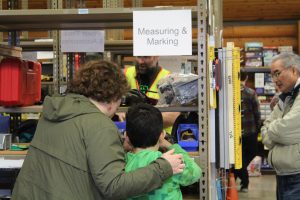
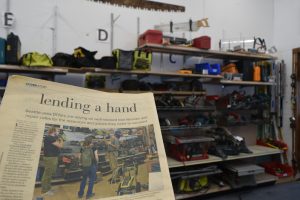
Seattle REconomy is a nonprofit promoting sustainability and community through access to tools, ranging from drills and shovels to sewing machines and pressure cookers. There are also classes every month for bikers, gardeners, woodworkers, and everyone in between. On top of that is their seed library, workshop, bike repair station, and reuse store. Their resources, classes, and events are available to everyone regardless of place of residence or income.
This April, they are offering all new members a 15% discount to use at their ReUse Materials Shop, so come on down! They have two locations: The NE Seattle Tool Library and their new Shoreline Tool Library. The NE Seattle Tool Library is most accessible to UW students because it can be reached by taking the 372 bus that runs around campus.
Becoming a member is easy, and it can be done online or in-person. They have volunteers and a laptop at both tool libraries to help you out. All they ask for is an optional membership donation ranging from $0-$750 depending on what you can afford. Proof of income is not necessary. You can also volunteer with them once/month for an in-kind membership.
Learn more about Seattle Reconomy on their website: https://seattlereconomy.org
If you have any questions, please contact info@seattlereconomy.org
UW and partners launch new project connecting sea to soil for climate resilience
SEATTLE (March 20, 2024) — Washington’s farmers are on the front lines of climate change. Whether they are growing vegetables on farmland or raising shellfish on tidelands, farmers’ productivity and prosperity depends on a healthy environment. To help combat climate change while strengthening the regional food system, the University of Washington and partners are launching a new project to link up farms across the region, connecting sea to soil for climate resilience.
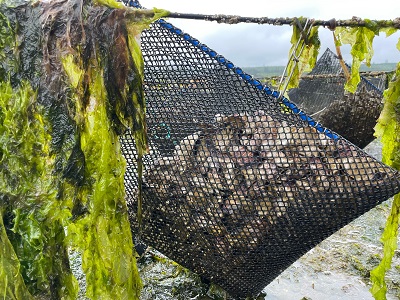
The project, titled Blue Carbon, Green Fields: Mobilizing Marine Algae to Benefit Sea and Soil in the Pacific Northwest, pilots an innovative approach to modernizing and scaling the age-old practice of using seaweed as a soil amendment, while providing growers of shellfish and specialty crops like vegetables with a new tool in their climate-smart agriculture toolboxes.
As seaweed and kelp grow in marine waters, they protect coastal ecosystems by limiting the harmful effects of ocean acidification, which makes it hard for shellfish to form their shells. The marine algae perform this service as they grow by absorbing excess carbon dioxide that contributes to ocean acidification, as well as sponging up nutrient pollution. However, the benefits are only temporary if seaweed and kelp are left to decompose in the marine environment.
Each year, shellfish farmers in Puget Sound remove nuisance seaweed, which thrives in nutrient-rich waters and fouls their beds and gear. The seaweed is typically left to decompose in the tidelands, returning its captured carbon and nutrients to nearshore waters.
“There is a better solution here that is not yet being realized,” noted Meg Chadsey of Washington Sea Grant, a partner in the new project.
As an alternative, harvesting seaweed from aquatic systems and applying it to agricultural soils is a strategy that could both lessen ocean acidification and improve soil quality on farms. Adding seaweed to farmland has the potential to replenish soil carbon, which is often depleted due to management practices such as tillage. Such a novel sea-to-soil channel for carbon sequestration could aid in mitigating climate change. The solution also carries the added benefit of improving overall soil quality, enhancing water and nutrient dynamics and building resilience to the impacts of climate change.
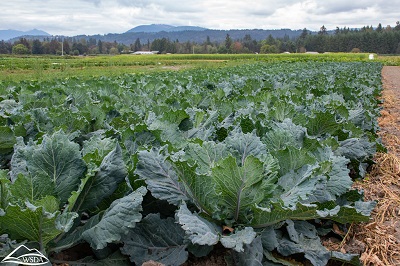
“This is really a win-win,” said Project Director Sarah Collier, assistant professor in the UW Department of Environmental & Occupational Health Sciences and the Food Systems, Nutrition, and Health program. “It creates a potential revenue stream out of what is currently a problem for shellfish growers, offers an exciting new natural soil amendment for specialty crop growers, and showcases a regional innovation that can help combat climate change.”
However, the knowledge base and community of practice to support this novel sea-to-soil solution does not yet exist. That’s why the Blue Carbon, Green Fields project is bringing together a team of interdisciplinary researchers and practitioners from around Puget Sound to tackle the challenges.
Researchers from the UW School of Public Health (Collier) and College of the Environment (Brittany Johnson, Sergey Rabotyagov and Eli Wheat), Washington Sea Grant (Chadsey) and the UW Bothell School of Interdisciplinary Arts and Sciences (Melanie Malone) are collaborating with Washington State University Extension, farm education and business incubator nonprofit Viva Farms, coastal restoration and conservation nonprofit Puget Sound Restoration Fund and local grower Baywater Shellfish.
Together, the team will provide shellfish and specialty crop growers with comprehensive technical assistance, perform rigorous environmental and economic analyses to capture the benefits of this practice, and establish a long-term framework to verify results.
Ultimately, the project aims to pave the way for future adoption of this practice across the Puget Sound region.
“What I especially like about this project is how it creates a regionally tailored pathway to building food system resilience,” said Michael Frazier, executive director of Viva Farms. “We are lucky to live in a place known for both specialty crops and shellfish, and yet there is potential to further the connection between land and sea growers who share values and a commitment to a healthy planet.”
The first order of business for the five-year project is to refine the logistics of seaweed harvest and application, and then to get a research network up and running. As the effort matures, the project team will be inviting both shellfish and specialty crop growers to join the network and pilot this new practice.
“This is welcome news for our region’s growers,” said Jodie Toft, deputy director of Puget Sound Restoration Fund. “With the diverse communities and types of expertise we are bringing together, we have an opportunity to create a scalable model of collective stewardship that will see benefits well beyond the scope of the project itself.”
This project is funded by the US Department of Agriculture’s Partnerships for Climate-Smart Commodities grant program.
To contact the study team, email bcgf@uw.edu.
PNW colleges see ‘explosive’ increase of students enrolling in environmental studies
Check out this awesome article by King 5 showcasing the growing trend of students interested in the environmental sciences! Features interviews with folks from our very own College of the Environment here at UW.