Please note – this event has been canceled and may be postponed at a later time.
Our final Rabinowitz Speaker Series: Society’s Role in a Changing Environment, co-hosted by Program on the Environment and School of Marine and Environmental Affairs, is next week, Wednesday, April 4.
Please note the date change! Join us from 4:30–6pm in Wallace Hall Commons. Faculty talks are followed by Q&A and time for mingling. Light refreshments served.
Our April speaker is Department of Philosophy professor, Stephen Gardiner. The title of his talk is: The Peculiar Ethics of Geoengineering.
Stephen is Professor of Philosophy and Ben Rabinowitz Endowed Professor of Human Dimensions of the Environment at the University of Washington, Seattle. His main areas of interest are ethical theory, political philosophy and environmental ethics. His research focuses on global environmental problems (especially climate change), future generations, and virtue ethics.
Stephen’s talk will expand on his research on the ethics around geoengineering-
Abstract:As efforts to address global climate change directly, through sharp reductions of greenhouse gas emissions, continue to stall, some scientists argue that we must prepare for grand technological interventions into the climate system (‘geoengineering’), including by commencing small-scale field testing. Geoengineering raises a large number of ethical issues (e.g., concerns about welfare, rights, justice, and political legitimacy). However, early policy framings often marginalize such issues, and so avoid important questions of justification. Since it is widely held that climate engineering has become a serious option mainly because of political inertia, there are also important contextual issues, especially around the paradoxical question, “What should we do, ethically speaking, given that we have not done, and will continue not to do, what we should be doing?”
With today’s technology, distance is no longer a barrier, and collaborating with learners halfway around the world is a tangible reality.
Understanding this potential for enhanced learning and wanting to equip students with a global mindset, Dr. Kristi Straus piloted the UW’s first “Global Flip” in collaboration with Dr. Xi Lu at Tsinghua University in Beijing, China. For students learning about sustainability, understanding the ways that the U.S. and China contribute to unsustainability, as well as the unique American and Chinese approaches to solutions, is vital. With Kristi’s class focusing on sustainability, forging a relationship with a university in China made sense.
The resulting experience was exciting and eye-opening for Kristi and the students.
Launching UW’s first Global Flipped Classroom
Shunxi Liu
Dr. Kristi Straus enjoying a lecture at Cabot (China).
Kristi was a Teaching Technology Fellow in 2014, and one of the first Evidence-Based Teaching (EBT) pilot members. She became an EBT coach in Spring 2016, supporting other faculty in understanding the research about effective teaching and then implementing changes in their classrooms. Through her leadership in these areas, Kristi was approached by the UW Office of the Provost about piloting the “Global Flip.”
Flipping the classroom allows students to engage in active learning and discussion in the classroom, while watching recorded lectures at home. This method aims to enrich learning and encourage more meaningful interaction among the instructor and students. In the Global Flip, Dr. Straus used the Collaborative Online International Learning (COIL) method, where students from Tsinghua and UW watched the same lecture videos and then interacted at their own Universities, and virtually, across the Pacific.
The course content grew out of Kristi’s popular ENVIR 239: Sustainability and Personal Choices class which encourages students to ponder sustainability in their own lives and become more aware of choices they make.
Shunxi Liu
UW students (left to right) Congshan Amanda Bai, TJ Gascho, Yushan Tong, and Shunxi Liu in China.
The Global Flip empowers students to think more deeply about unique sustainability challenges faced by different societies and how culture shapes the resulting solutions that could emerge.
The culmination of this Autumn quarter class was a ten-day study abroad experience in Beijing, collaborating in person with the Tsinghua faculty and students whom they’d learned with virtually all quarter.
Dr. Straus took 15 UW students (including Environmental Studies, International Studies, and Environmental Sciences majors) to Beijing over the 2017 Winter Break.
Global engagement to be a world of good
Through frequent online collaborations, students from UW and Tsinghua University in Beijing grappled with questions such as: What does sustainability mean to us? What does unsustainability look like in our countries/cities/cultures? What problems do we face and how can we solve them?
Shunxi Liu
Dr. Lu and Dr. Straus leading a shared lecture, teaching an interactive class about salmon, hydropower and the removal of the Elwha Dam in Washington.
Students at Tsinghua University watched the lectures that Kristi taught at UW, setting up an incredible situation where students had in-person sessions at their own schools as well as access to an international, multi-cultural online learning environment, emphasizing collaboration between students in China and the U.S.
Says Kristi, “It is certainly innovative, helps us to learn together across boundaries, uses technology and the skills of our students while also teaching our students multicultural and multi-disciplinary collaboration and problem solving, virtually. I can’t imagine more important skills for this generation.”
The ten-day study abroad to Tsinghua University in Beijing was the culminating experience of the course. UW students collaborated with the Tsinghua students, visited water treatment centers, solar and wind farms and waste management facilities, and discussed the viability of renewables meeting the country’s long-term energy needs. They heard from well-known researchers across China and saw first-hand how Beijing is doing from a sustainability perspective.
In addition, students learned about Chinese culture and history, visiting the Forbidden City and the Great Wall, and shared traditional meals with Tsinghua students.
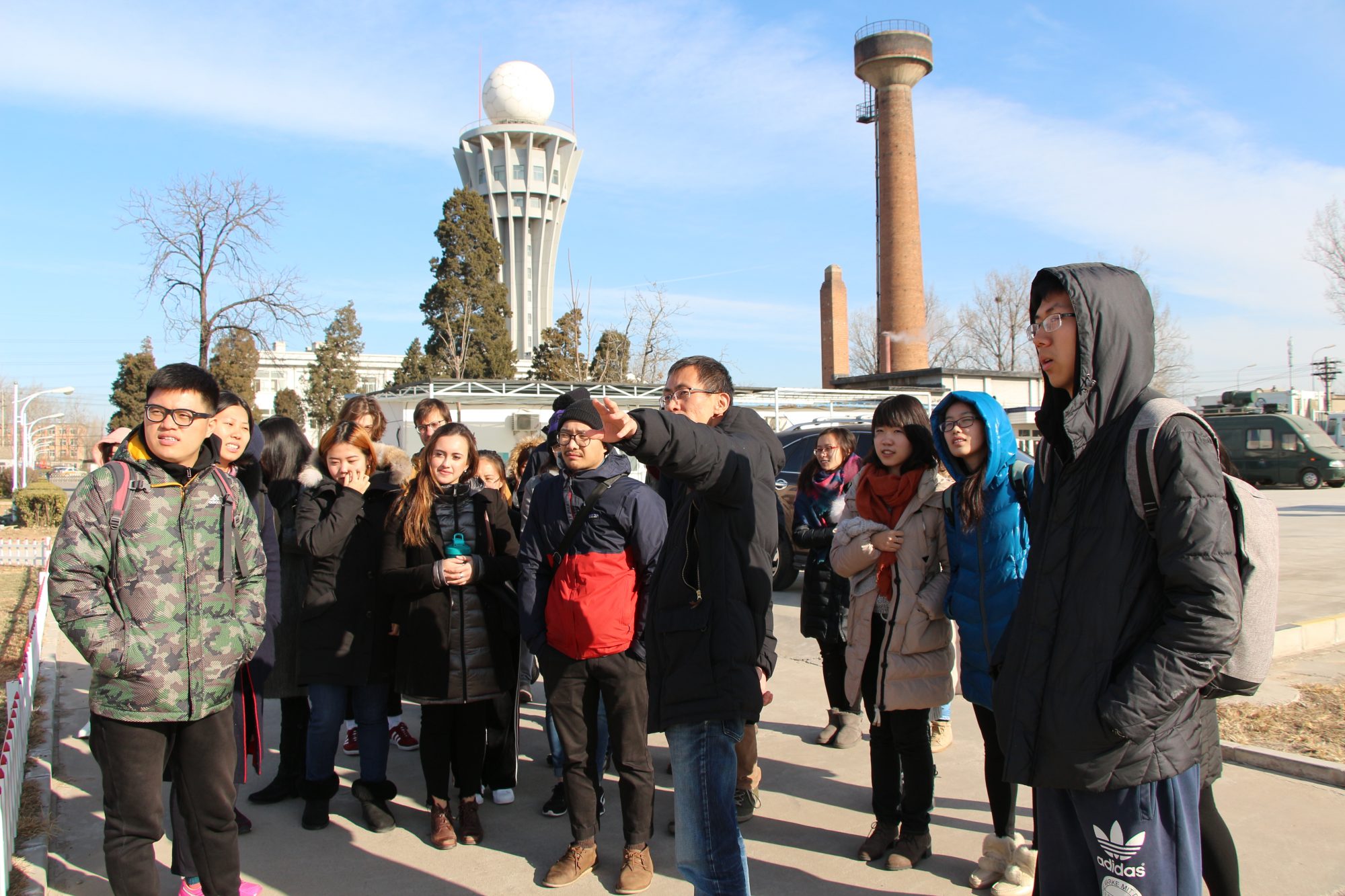
Field trip to Gaobeidian Waste Water Treatment Plant with UW and Tsinghua students.
The UW Program on the Environment China class outside the School of Environment at Tsinghua University.
Part of the field trip to Gaobeidian Waste Water Treatment Plant.
Dinner at Suhu, a vegetarian restaurant in Beijing.
Another shared lecture with Dr. Lu and Dr. Straus.
A sunny but cold day for visiting the Forbidden City.
For Program on the Environment student Shunxi Liu, participating in the study abroad experience was a great opportunity to converse with engineering and environmental management students in Professor Xi Lu’s global sustainability class at Tsinghua University and view Beijing through a sustainability lens.
“I see this program as planting the seed for future environmental collaboration between the U.S. and China, and I’m excited I was part of it!” – Shunxi Liu
Learning about sustainability in a global context
In 2016, China made the environment a priority. The Chinese government has set ambitious goals for reducing carbon emissions, and they’ve made headway.
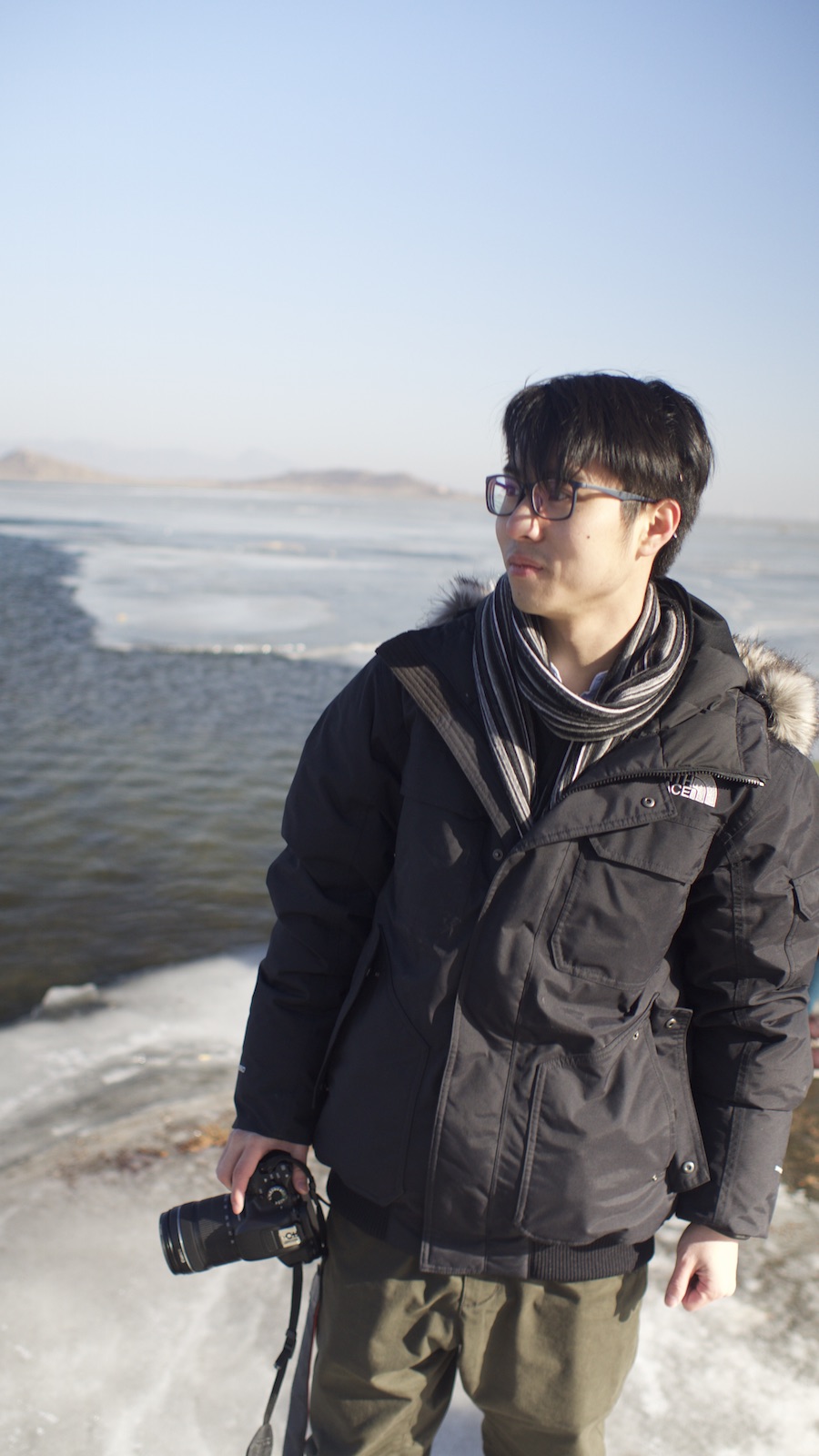
UW Program on the Environment student, Shunxi Liu.
UW students and Kristi remarked that the air pollution in Beijing was undetectable. “Maybe it was a combination of the good weather and the rapid implementation of China’s new regulations, but it was noticeable.”
Even more impressive were the tours where students learned about China’s hefty investment in sustainable technology and its rapid shifts in policies to adjust for air quality, even on a daily basis. Indeed, Beijing is focused primarily on environmental sustainability, just one of many contrasts to the efforts in the U.S. which look at economic and social impacts in addition to the environment.
One highlight of the whole experience for Shunxi was a field trip to an industrial area in suburban Beijing, a region which was among the most polluted areas in China. “They are working on integrating circular economy methods to reduce factory pollution and it’s incredible to see in action!”
Other noteworthy trips included visiting a cutting-edge renewable energy power plant. “We saw that China is putting a lot of effort on interdisciplinary scientific research in order to tackle our global environmental challenges,” reflected Shunxi. The Chinese government is also moving towards distributed solar systems to every household.
Shunxi Liu
Field trip to Yanqing photovoltaic power station, China.
All in all, the learning was profound, and the students exhibited patience and adaptability in their new environment, soaking up Chinese culture, knowledge, and way of life. Between the online intercultural collaboration and the short-term, affordable study abroad program, this unique course helps bring global perspectives to students who may not otherwise get it at UW, which increases access and equity at our University.
Kristi’s course will run again this Fall quarter and Winter break 2018. Interested students can apply now.
Last quarter, students in Program on the Environment’s Sustainability Studio class worked with the Special Olympics team to strategize ways to green the games, set to take place in Seattle this summer. This winter quarter, ENVIR 480 students explored the theme of Environmental Wellness and Health.
Today, humankind has quite the reputation for harming our natural surroundings, whether through resource exploitation or pollution. On the flip side, our built environment may not be the best thing for our health either, given declining air quality in big cities and the adverse effects of a sedentary lifestyle. Can we create healthy surroundings that benefit both people and the environment? The ENVIR 480 class, taught by Thao Huynh, is exploring this possibility by working with Miller Hull Architects, the Puget Soundkeeper Alliance, and UW Livable City Year on a range of projects.
Please join the students next week, on March 8, as they present about microplastics in UW’s water supplies, managing green open spaces in Tacoma, mapping pollution along the Duwamish River, and more.
On a quest to better understand sustainability in a global context, two Program on the Environment students, Tyler Ung and Olivia Scott have joined the UW’s Grand Challenges Impact Lab for its pilot program in Bangalore, India. The students are there for Winter Quarter, immersing themselves in a unique learning lab that uses design thinking to address complex societal problems.
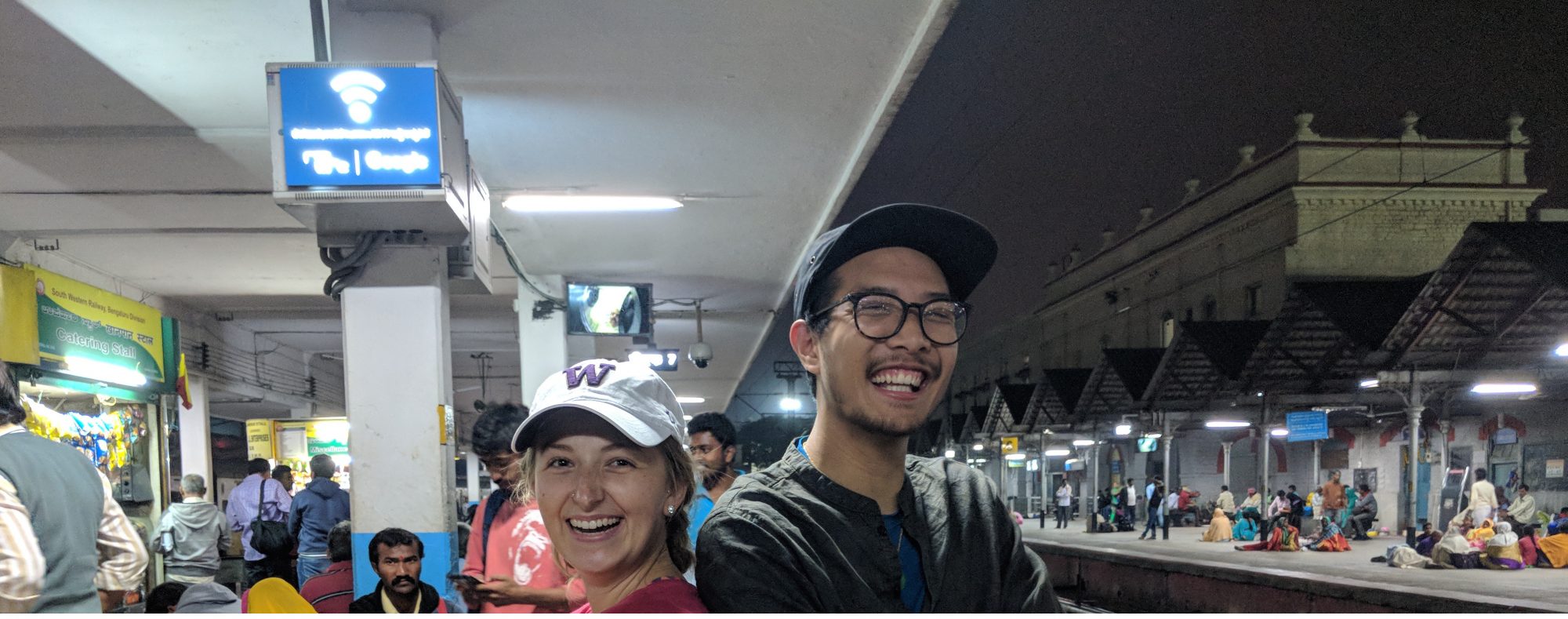
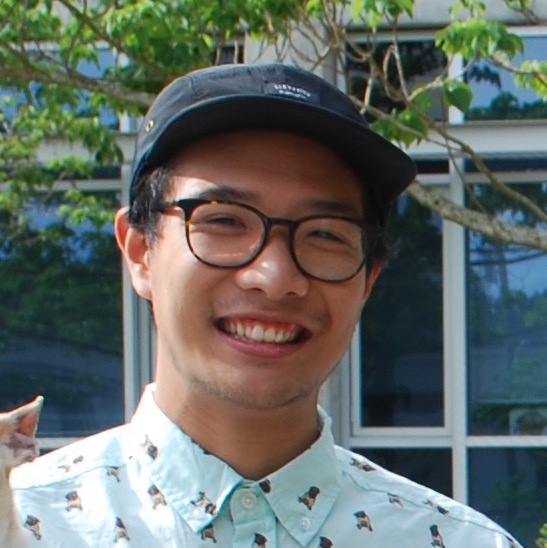
Program on the Environment students Olivia Scott and Tyler Ung at a train station in India during the GCIL.
What are Grand Challenges?
“Grand Challenges are the big problems facing humanity – things like food security, clean water, and climate change.” The Grand Challenges Impact Lab (GCIL): India is a new UW study abroad experience that empowers students to learn about Grand Challenges and propose and test solutions to them. The program, established by UW College of Civil & Environmental Engineering professor Julian Marshall, offers an active, hands-on learning laboratory where multidisciplinary teams slowly “chip away” at grand problems that require a systems and design thinking approach.
To prepare for the immersive study abroad experience, the students attended a one-hour seminar every week last quarter where they read books, watched videos, had deep discussions and participated in group exercises. Assigned books included The End of Karma, Poor Economics and The Guide to Human Centered Design. Students also listened to faculty lectures and will have faculty mentors throughout the quarter. The first part of this experience will include gleaning insights from local professionals, and the second part will involve students designing solutions that meet the needs of the community.
India bound
Tyler Ung is “beyond excited” to be in India, and this experience will build upon his intended senior Capstone project with UW Center for Creative Conservation, which will use his exploration of three powerhouse countries (US, China, India) to explore how environmental art can be an effective medium to promote sustainability and develop an environmental consciousness. Tyler will pair photographic images with line art to tell different stories of conservation, culture, and environmental knowledge.
“I believe that environmental work is a strong proponent towards equity. Examining different cultures, narratives and environments is a powerful tool to address the big challenges of our time, at home and abroad.” – Tyler Ung
Olivia Scott was drawn to the idea of going to India and this GCIL opportunity to immerse herself in the country’s culture, environment and challenges fulfills her dreams of studying abroad and expanding her perspective and understanding of what it means to live sustainably in today’s world. Olivia was an Environmental Studies Leadership Scholar last year and used part of her scholarship money to fund this study abroad trip.
The Project
Tyler and Olivia are working on a team together with two students from UW civil engineering. They will work with Hasiru Dala, a local organization in Bangalore focused on promoting equity for waste-pickers through sustainable municipal waste management. The team will work on one of two proposed projects: implement a design package for more sustainable housing or standardize eco-hub waste sorting facilities.
Wilderness means different things to visitors of the country’s national parks and wild lands. For Program on the Environment alumni Emily Noyd, who was featured in REI’s Keepers of the Outdoors series, being outside and helping people navigate relatively untouched lands is an incredibly rewarding experience.
Emily is currently a backcountry ranger in Yosemite National Park, where 94 percent of the park’s land is wilderness. In this job, she helps others experience the awe and understand the importance of protected lands. Her passion for protecting wild places and park service work flourished after an impactful summer climate change fellowship while studying at UW. She kept building the skills she learned that summer and found her curiosity and interest in engaging with people made her a good fit for the job she has now.
“I think it’s really special to be part of something that’s bigger than myself. That’s why I go outside.” – Emily Noyd
Read more about Emily’s role in the full story, written by Program on the Environment alumni, adventure writer Charlotte Austin!
Examining the impact of human behavior and actions on the environment is a focus of both Program on the Environment and the School of Marine and Environmental Affairs at UW. To further highlight the interdisciplinary teaching and research of both units, we are co-hosting a monthly Rabinowitz Speaker Series: Society’s Role in a Changing Environment, featuring a different faculty member each month.
Join us every first Tuesday (second Tuesday in January) from December 2017 – April 2018, from 4:30–6pm in Wallace Hall Commons. Faculty talks are followed by Q&A and time for mingling.
Our first speaker will be Joyce LeCompte. The title of her talk is Cultural Ecosystems of the Salish Sea: Coast Salish Ecologies of Reciprocity and Resilience.
Bio
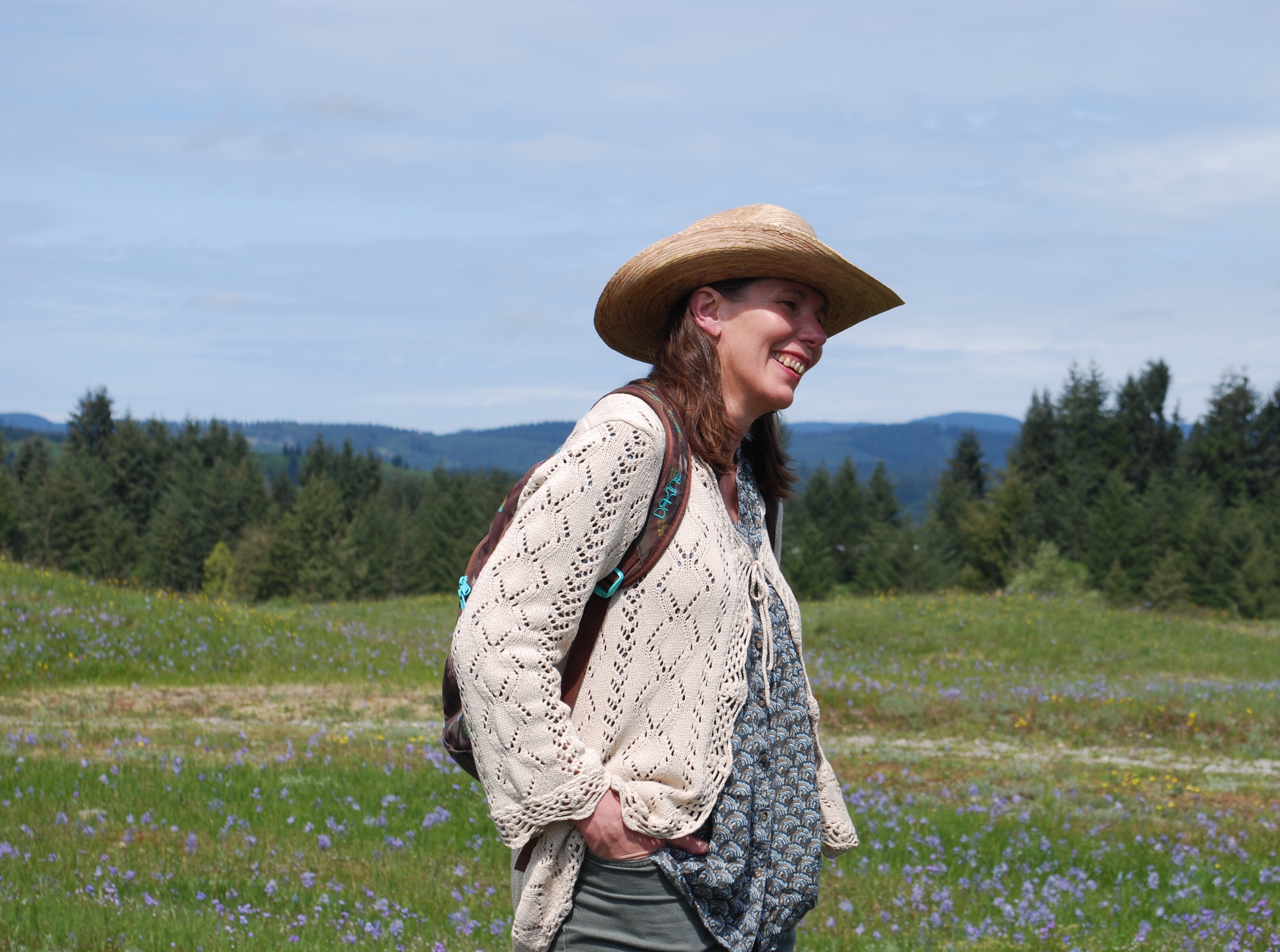
Joyce LeCompte at Mima Mounds Natural Area Preserve.
Joyce is an environmental anthropologist whose research and teaching focuses on the ways in which culture, politics, science and history inform human understandings and relationships with the environment, and how in turn these relationships and understandings affect social life and human wellbeing.
Joyce is currently a lecturer at the Program on the Environment, where she has taught courses in Ethnobiology, Power and Privilege in Natural Resources Conservation, Indigenous People and the Collaborative Stewardship of Non-human Nature, and Methods in Environmental Studies.
Joyce’s research and writing projects are community driven and focused on supporting opportunities for, and understanding the barriers to, the (re)integration of traditional plant foods into the everyday lives of Puget Sound Coast Salish communities.
In fact, earlier this year, Joyce was the recipient of one of two inaugural project incubator grants with The Center for Creative Conservation. Along with her co-lead, ecologist Sarah Hammond, Joyce’s research on the conservation of camas prairies asks: How can university researchers support efforts of community-based initiatives and partner on conservation efforts?
The project intends to broaden cultural ecosystems learning, focusing on the camas prairies of western Washington, Oregon and Vancouver Island. These landscapes have been managed by Native Peoples for millennia and are of great importance, for food and for other reasons. However lots of land has been lost, in part due to agriculture and development. The long-term goal of the project is to develop a trans-disciplinary Cultural Conservation Education and Research Program.
Read more about Joyce and Sarah’s incubator and their collaborative work with Tribal, government, nonprofit and industry partners to work together to revitalize and restore these critical habitats:
For a trip of a lifetime, School of Marine and Environmental Affairs student Katie Keil rearranged her travel to join Tim Billo and his ENVIR 495C: Landscape Changes in the Pacific Northwest course as a teaching assistant. The annual summer course has deeply impacted students who have, for perhaps the first time, experienced raw wilderness and learned about what a changing landscape means for us all.
In Katie’s words: “Although the views were spectacular, my favorite times were the evening thought provoking, student-led discussions about our wild lands around a fire (including some ghost stories). We explored topics of wilderness preservation, minority access to national parks, and the impacts of changing environments in the Anthropocene.”
Read more about Katie’s experience (below) and see posts from the student blog. Instructor Tim Billo offers this course as one way for students to interact with nature on an intimate level and says “extended wilderness travel offers us rare time and space to think deeply about how we might move forward as a society at this critical juncture in earth’s history, the beginning of the Anthropocene era.”
I was born and raised in Dallas, Texas. I moved to Seattle to study marine and environmental affairs at the University of Washington. I am certainly passionate about environmental issues, so Seattle is a great place to be for this kind of stuff!
When I saw an opportunity to teach in the Program on the Environment, a program that specializes in learning, understanding and tackling real-life issues, I knew it would be a valuable experience for me. The students, faculty and staff have been great to work with, and the ideas and creativity that flow through the program motivate me to become a better environmentalist and instructor.
Can you share a bit about your educational background, research interests and expertise?
I received a Bachelor of Arts in biology and a Bachelor of Music in violin performance from the University of North Texas. While there, I developed an interest in marine-related topics, particularly aquaculture and fish physiology. When I moved to Seattle and started my Masters in Marine Affairs, a very human dimension was added to my background and understanding; this shaped my research interests toward food security and sustainable seafood, with aquaculture being a potential solution to these developing issues. Currently, I am collaborating with NOAA to complete my thesis on farming potentials of black cod.
What’s the focus of this quarter’s Sustainability Studio?
This fall, the ENVIR 480 class is learning about Green Event Planning, and with great timing too. Next summer, Seattle will be hosting the 2018 Special Olympics USA Games, and UW campus will be a main hub for many of the activities. To better ensure that sustainability is incorporated into the planning of this mega-event, the students will be working closely with clients, such as UW Recycling and UW Transportation, to identify and help implement environmental solutions for the USA Games.
Although large organized events can often have large environmental impacts, the Sustainability Studio class will take on this challenge and strive to make the USA Games even greener.
What environmental issues resonate most deeply with you?
Environmental justice is very important to me. With climate change on the rise, I believe “climate refugees” may soon become a reality. These are people who are forced to relocate and adapt to new surroundings because their native residence was compromised. You can begin to see these climate refugees from Small Island Developing States, where sea level rise has inundated their homes, and similarly from the PNW indigenous tribes, where a combination of sea level rise as well as environmental degradation has compromised their homes and food sources.
Unfortunately, there is a trend showing that more privileged groups tend to contribute most to climate change while those that contribute least are most affected. I think this dilemma presents a great opportunity to further encourage collaboration across multiple disciplines in environmental studies.
Share a fun fact.
I love cats! I have a pet cat named Esmeralda, who is currently six years old. I adopted her from an animal shelter at six months in Dallas and drove her all the way up to Seattle. Although she was not too happy during the 10 day drive, we are glad to still be with each other. By the way, I am always open to sharing cat pictures!
Designing an outdoor educational space to honor a former staff member, fulfill students’ Capstone requirements, and meet UW building regulations, all within budget and time constraints, is no small feat.
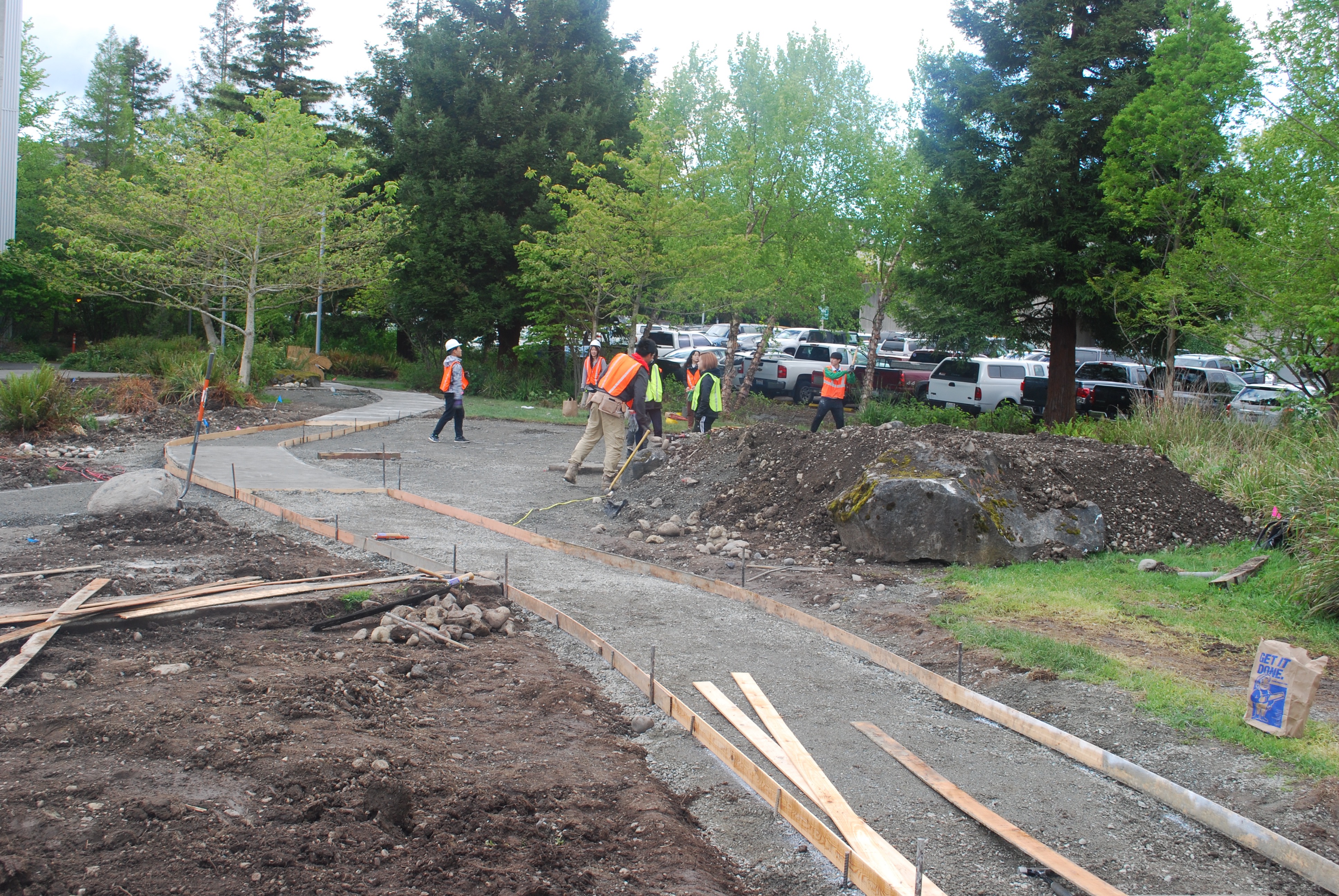
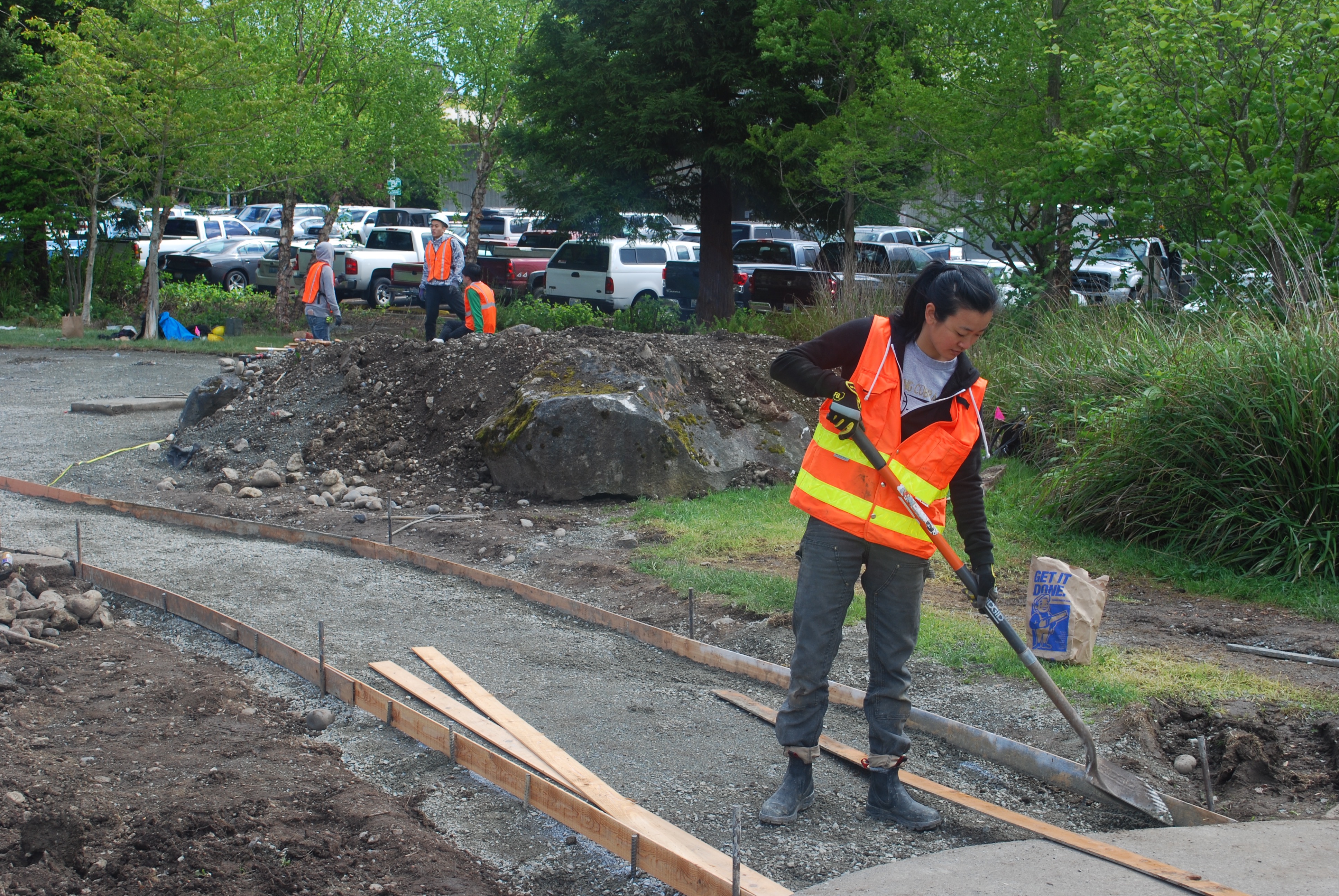
Paving begins on the main path.
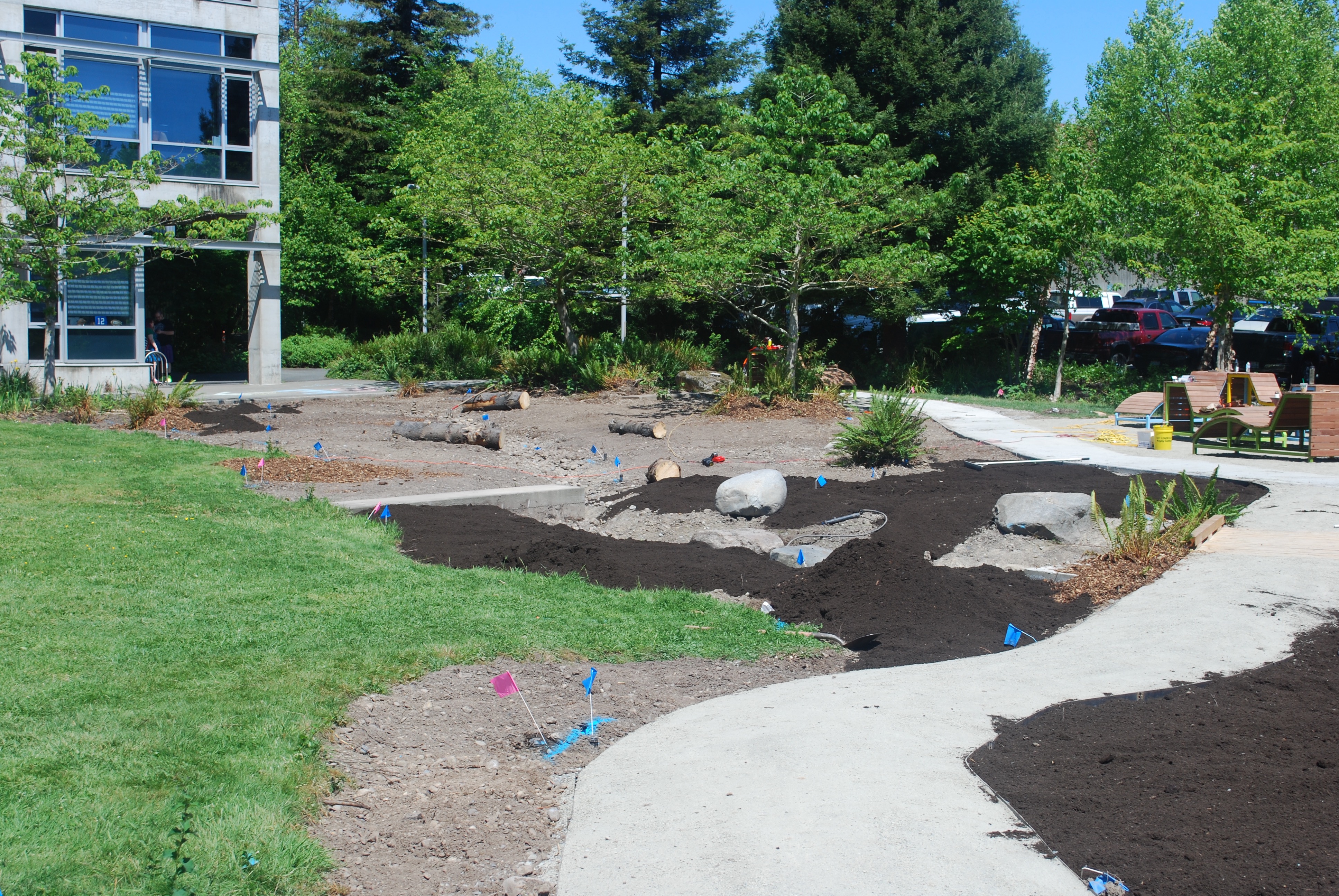
Progress in mid Spring.
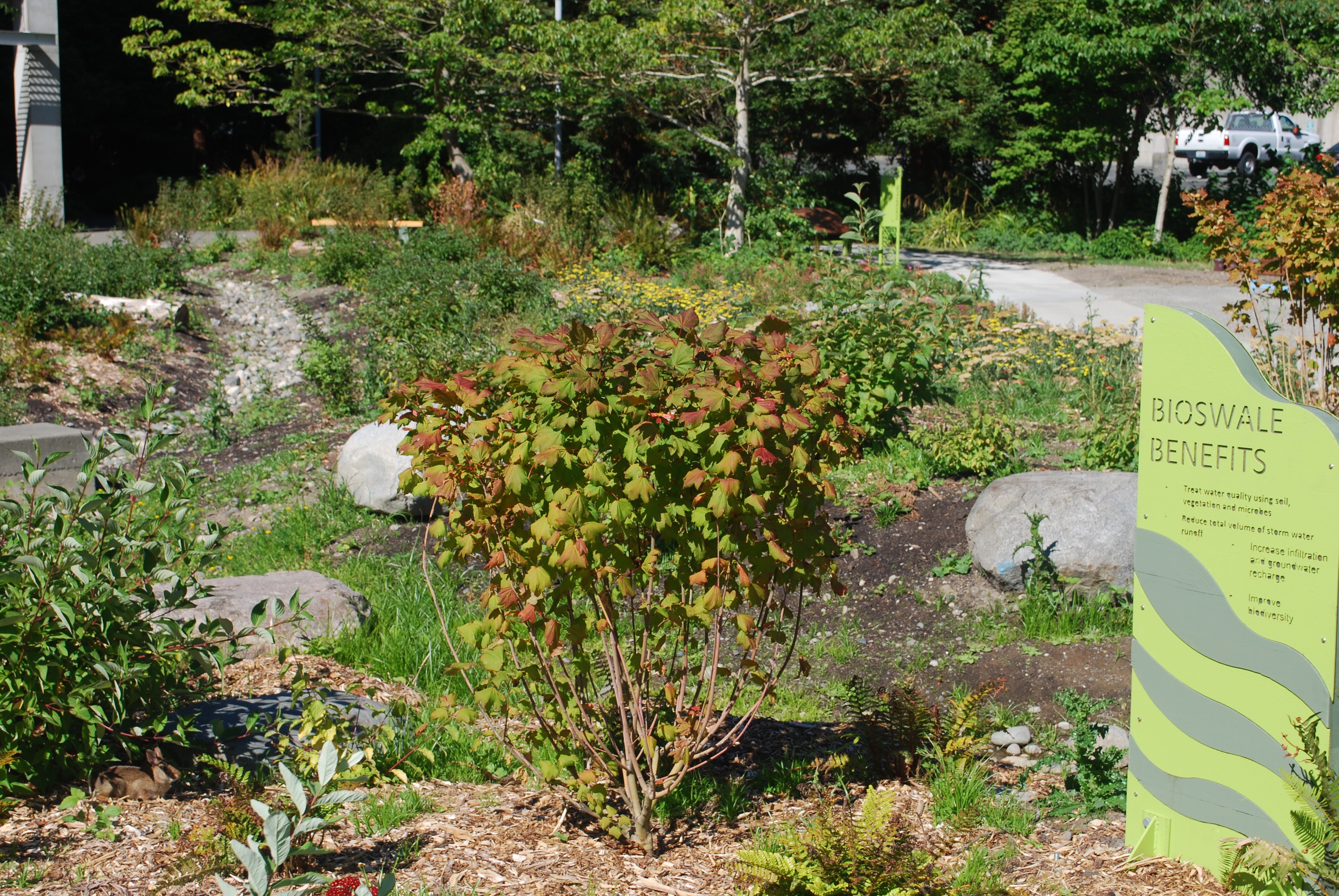
The new Sustainable Learning Space.
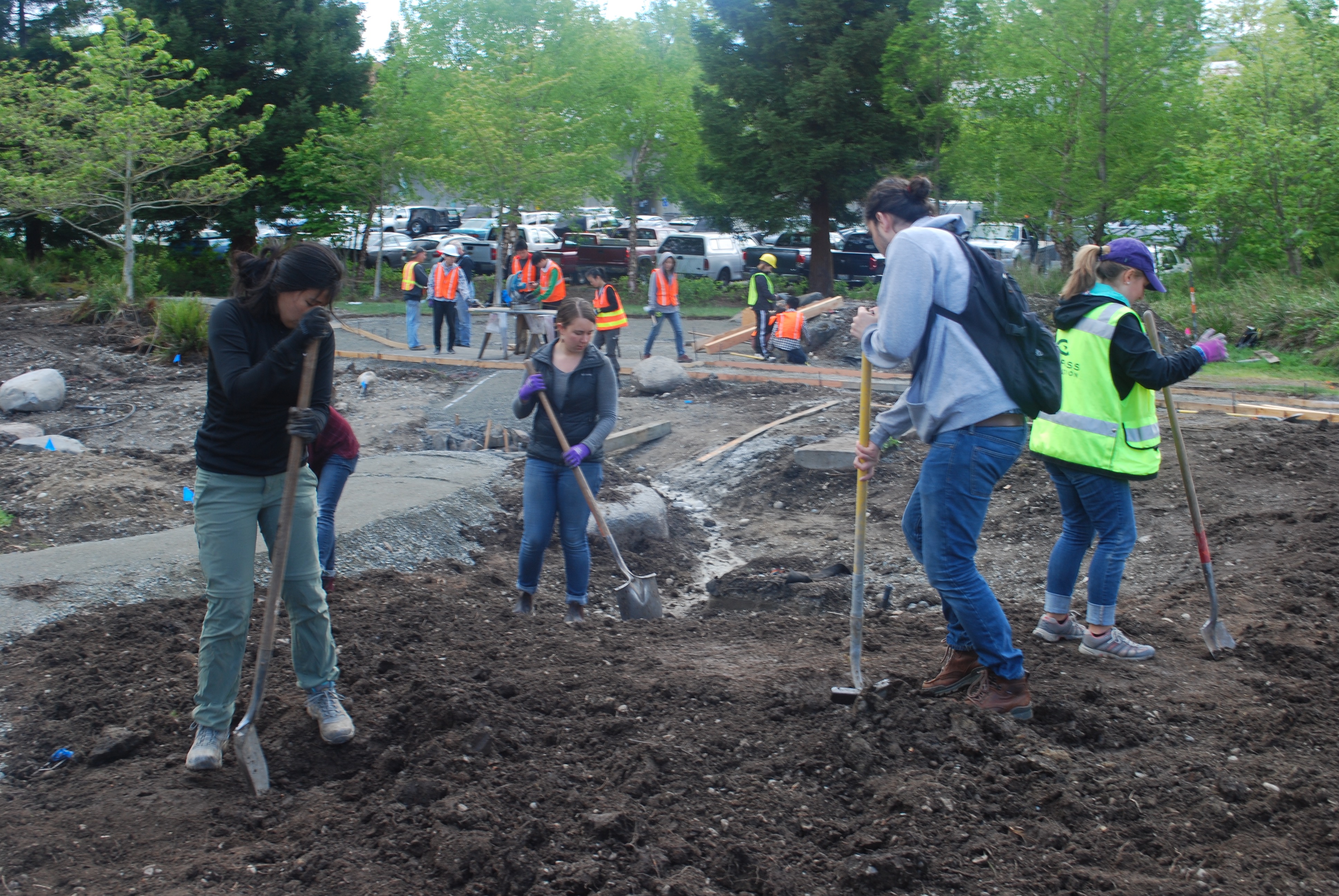
However, this Spring, with the support of a slew of collaborators, a vibrant outdoor learning space, located on the northern side of the School of Aquatic and Fisheries lawn was built. The garden space, adorned with nature-themed quotes, hand-crafted wood benches, native plants, a bioswale and rain garden is the result of a tremendous team effort by students, faculty and staff across campus.
With appreciation and thanks to the Campus Sustainability Fund; UW Landscape Architecture and its annual Design/Build course; UW Department of Urban Design & Planning; UW Department of Facilities Maintenance & Construction, UW’s Office of the University Architect, and the generosity of donors to Tikvah’s Fund, this learning and teaching space is open to all on UW campus, to gather, study and learn.
Tikvah Weiner.
In honor of Tikvah
Tikvah Weiner was beloved at UW, and during her time working at the Program on the Environment, she touched many with her warm personality and genuine care for others.
“She always had a smile on her face and her ebullience and personable manner helped defuse tension; she was driven to bring people together” shares Julia Parrish, who was director of Program on the Environment for part of the time Tikvah was the program’s graduate program adviser and then administrator.
When Tikvah’s health deteriorated with her breast cancer diagnosis, Julia and Landscape Architecture faculty member Ken Yocom, a former program advisory board member, worked to establish a gift fund in her honor. Tikvah loved gardens and expressed a desire to have a space for student use, in the urban environment, as a demonstration of sustainable practices. In this spirit, the learning space and garden will hold space for collaboration, contemplation and camaraderie.
Students shoveling sections of the raingarden.
Collaborating to foster a living lab
The initial plans for the garden location had to be changed and along with students from Landscape Architecture and Program on the Environment, the advisory group mulled over options, quickly. Howard Nakase from UW Grounds suggested the northern part of the Fisheries Lawn, in part for its existing trees and habitat, and from there, the team re-envisioned the original models for the space and completed the project in mere weeks.
Through this interactive experience, students learned about the practicalities of augmenting the built environment—from adapting to planning modifications, applying construction and fabrication skills, to grappling with the incessant blackberry bush growth and the challenges of incorporating sustainable building elements that matched the project’s needs.
Tori Shao at work in the garden.
For Tori Shao, the student lead on the project and a Landscape Architecture major, the collaborative aspect was a highlight. “I had to learn how to speak in another language when translating the landscape jargon to students from the Program on the Environment,” mused Shao. “I really appreciated how we moved forward to work within the project parameters and how resilient we were in terms of the constraints we had! Learning conversations and flexibility were key.”
Sustainability in action
This project, in large part funded by a Campus Sustainability Fund (CSF), is one of the first of its kind in terms of building a highly visible and usable outdoor space on the UW campus that takes into consideration the complex elements of a changing physical landscape, restoration of an urban area, hydroecology and nurturing of native plants.
“The collaboration and creativity of all made this project possible,” says Kyle McDermott, who was the CSF liaison and helped with coordination and facilitation. “CSF’s mission is to drive change on campus and empower students to use UW as a living lab. This project embodied these goals.”
Mobile wood chairs, built by the Design Build Landscape Architecture students.
Creating a space with sustainable elements meant many things. Tori Shao shared that the design team thought through everything from the materials, to the use of space as an educational one, to the potential for restoring the natural habitat.
The brightly colored steel and wood chairs with flowing, organic form were designed and fabricated by students with mobility in mind. The five benches around the garden were built from slabs of a felled Sequoia tree that had been struck by lightning on UW’s campus. The student team was enthusiastic to have the CSF-funded Salvage Wood program as a resource when selecting materials and re-envisioning what sustainability meant in the context of the project.
Program on the Environment students learned about bioswale, garden management and incorporated elements of sustainability and eco-psychology. Together, the students contributed to on-site work, selecting and planting native species, weeding, paving pathways and building an ADA accessible space, including interpretive signage around the rain garden, home to native and pollinator plants, birds and the occasional bunny.
For Madeline Schroeder, the spirit in which the space was created will motivate the longer-term care of the garden. “Even in the future, when students look upon this garden and ask how the snags got there or what the purpose of the rain garden is, Tikvah will still be inspiring thought and wisdom. It is for this reason, the ability to contribute to a learning experience unbound by time by an inspiring and well-missed individual, that I decided to take part in this independent study.”
The Sustainable Learning Space is meant for everyone on campus, and stands as an example of a team effort to encourage active learning spaces on campus, to demonstrate the creative work of students, and to provide a contemplative, beautiful space to remember Tikvah.
“This project really captures the very essence of Tikvah: natural, learning-oriented, and beautiful. She cared so much about our students and community, and would be thrilled about the students’ involvement in its design and creation.”– Clare Ryan, former director of Program on the Environment
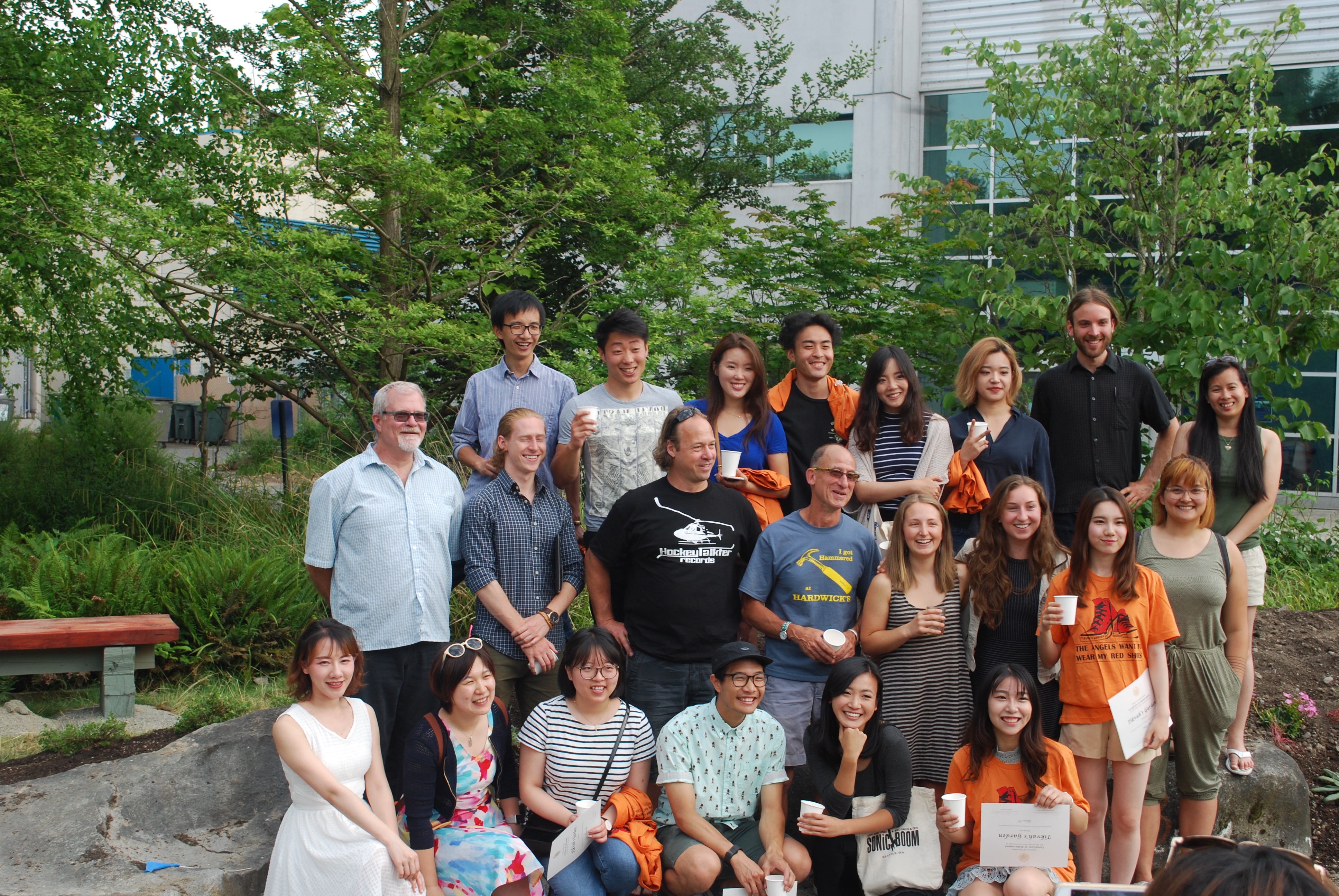
A large part of the project’s team, posing at the end of quarter to celebrate the completion of the project.
Update: See photos taken during the commemoration of the garden space.
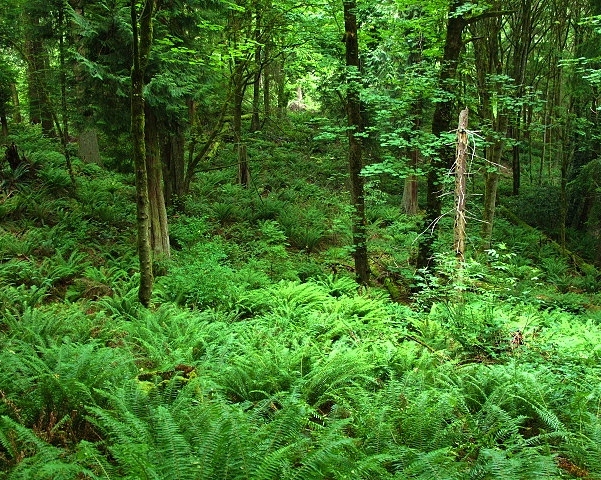
The puzzling death of sword ferns in Seattle’s Seward Park is under ongoing investigation by Tim Billo, Paul Shannon and national fern experts the two are consulting with to address the problem.
King 5 News and KUOW spoke with Billo and Shannon and wrote about the concern recently as did Sierra Magazine, reporting yesterday that 11 acres of sword ferns have died in Seward Park so far, with no regrowth. If this pattern continues, the scientists on the project predict all ferns in the park could disappear for good in a decade.
 Our April speaker is Department of Philosophy professor, Stephen Gardiner. The title of his talk is: The Peculiar Ethics of Geoengineering.